From Violet Hill to the Devau airfield
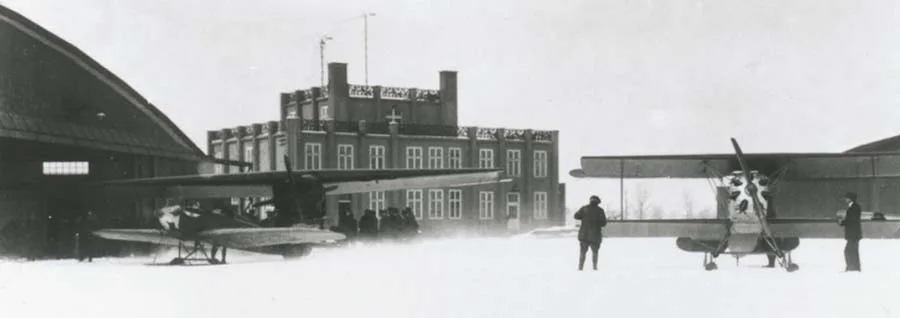
A three-day winter air race between two aces
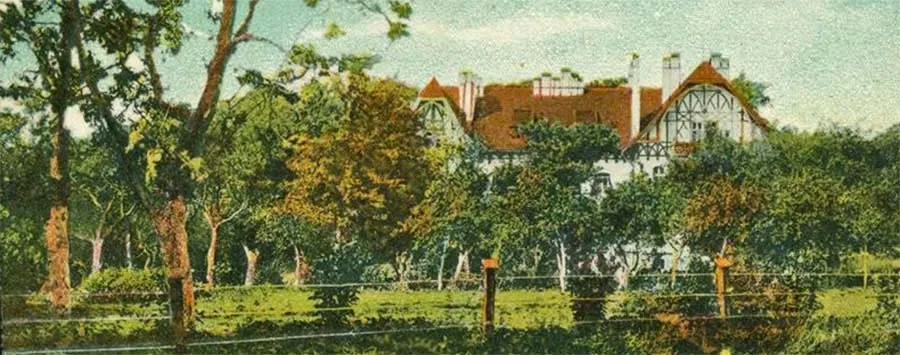
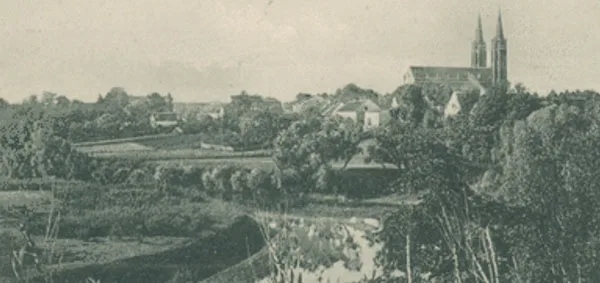
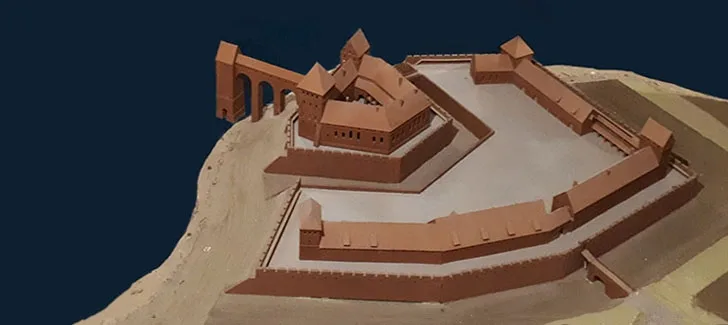
The former Groß Sobrost estate and its hillfort, known as the “Swedish fortification”
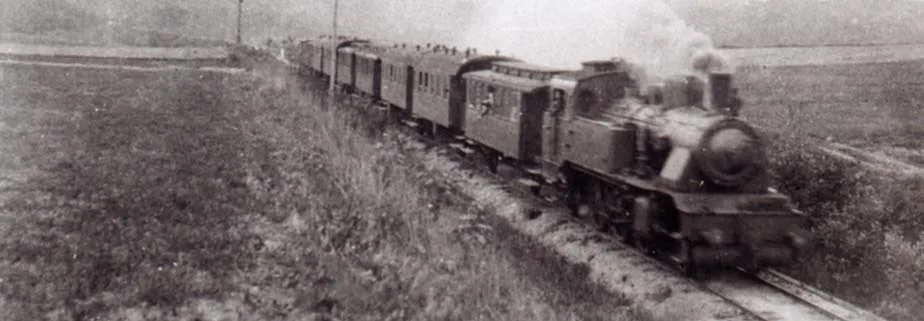
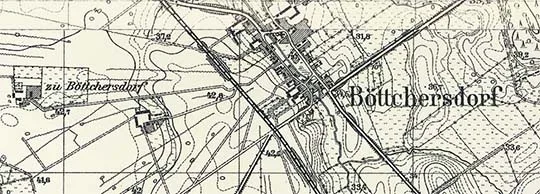
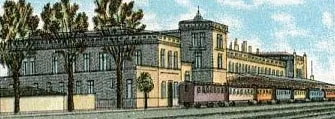
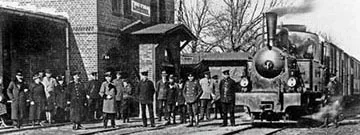
A village in the Zelenogradsk District. Railway station on the Zelenogradsk – Pionersky line
A church, a museum with storerooms and a library, a court, a restaurant and several offices
Bolotov's stay in Prussia ended together with the war
The return to Prussia and the occupation of Königsberg
The adventures of a twenty-year-old Russian lad in Prussia at the time of the Seven Years' War
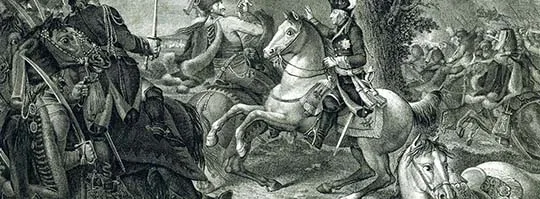
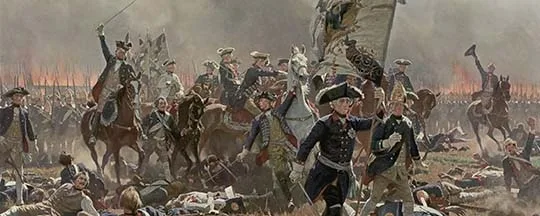
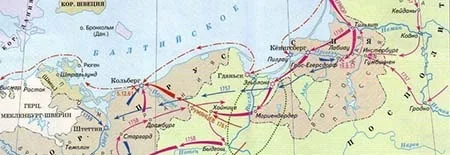
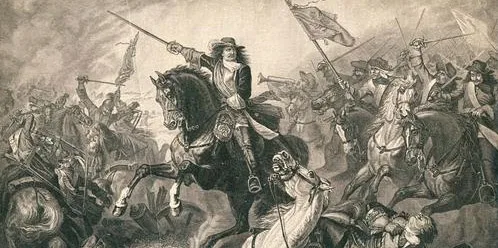
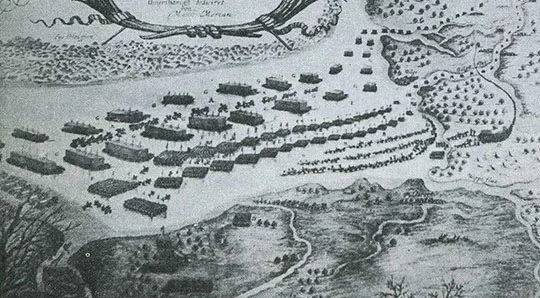
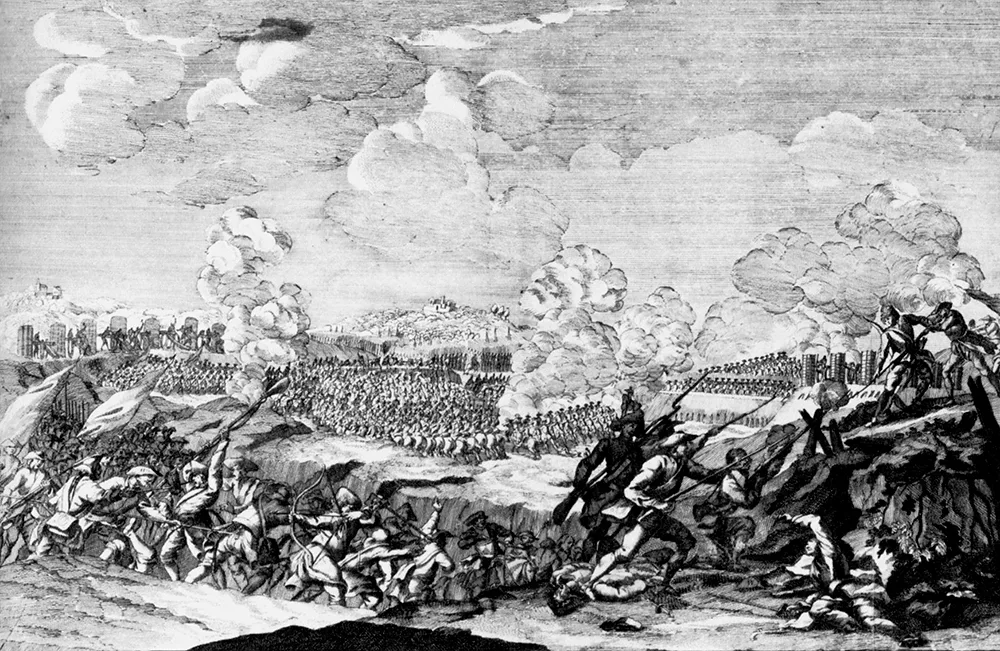
The beginning of the Seven Years' War. The summer campaign of 1757. The Battle of Gross-Jägersdorf
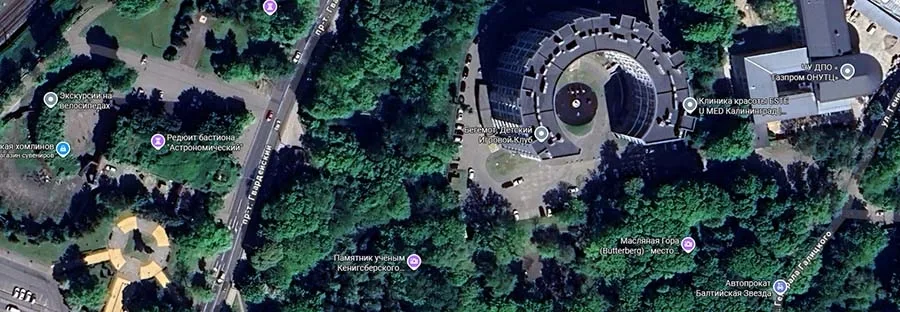
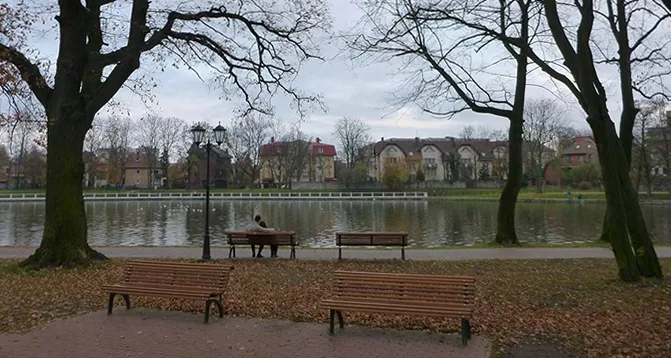
The history of Kaliningrad's Central Park
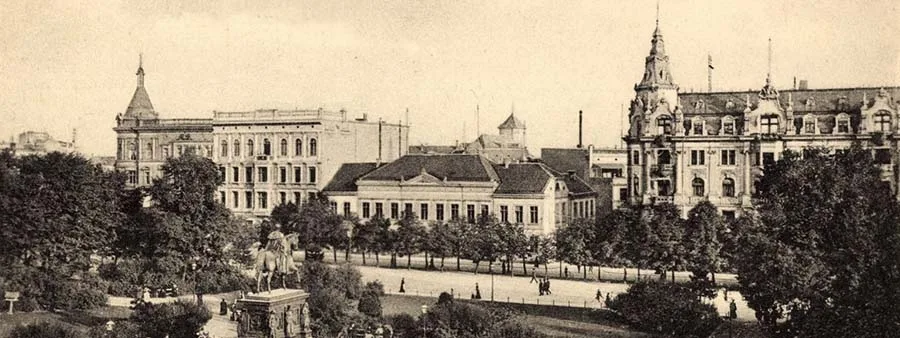
Between Bergplatz and Schlossplatz
Herbert Mühlpfordt's version
Admiral Tributs Embankment west of the Second Overpass
Why the gate was Green, the tower Yellow and the crane Red
A tradition preserved since pre-Christian times
Recreating Kaliningrad's historic centre: a dream that can become reality
A settlement in Zelenogradsk Urban District, west of Grachevka
A villa colony that became an iconic district
Unusual oases in the stone thickets of the Innenstadt
Through hardships to the stars
One of the key points on the map of the Elk Valley
An abandoned site that was once a royal fishing village
A fishing village that vanished at the end of the 20th century
A well-hidden gem of the Elk Valley
A cosy fishing village on the Lithuanian part of the Curonian Spit
At the fork to Svetly and Baltiysk
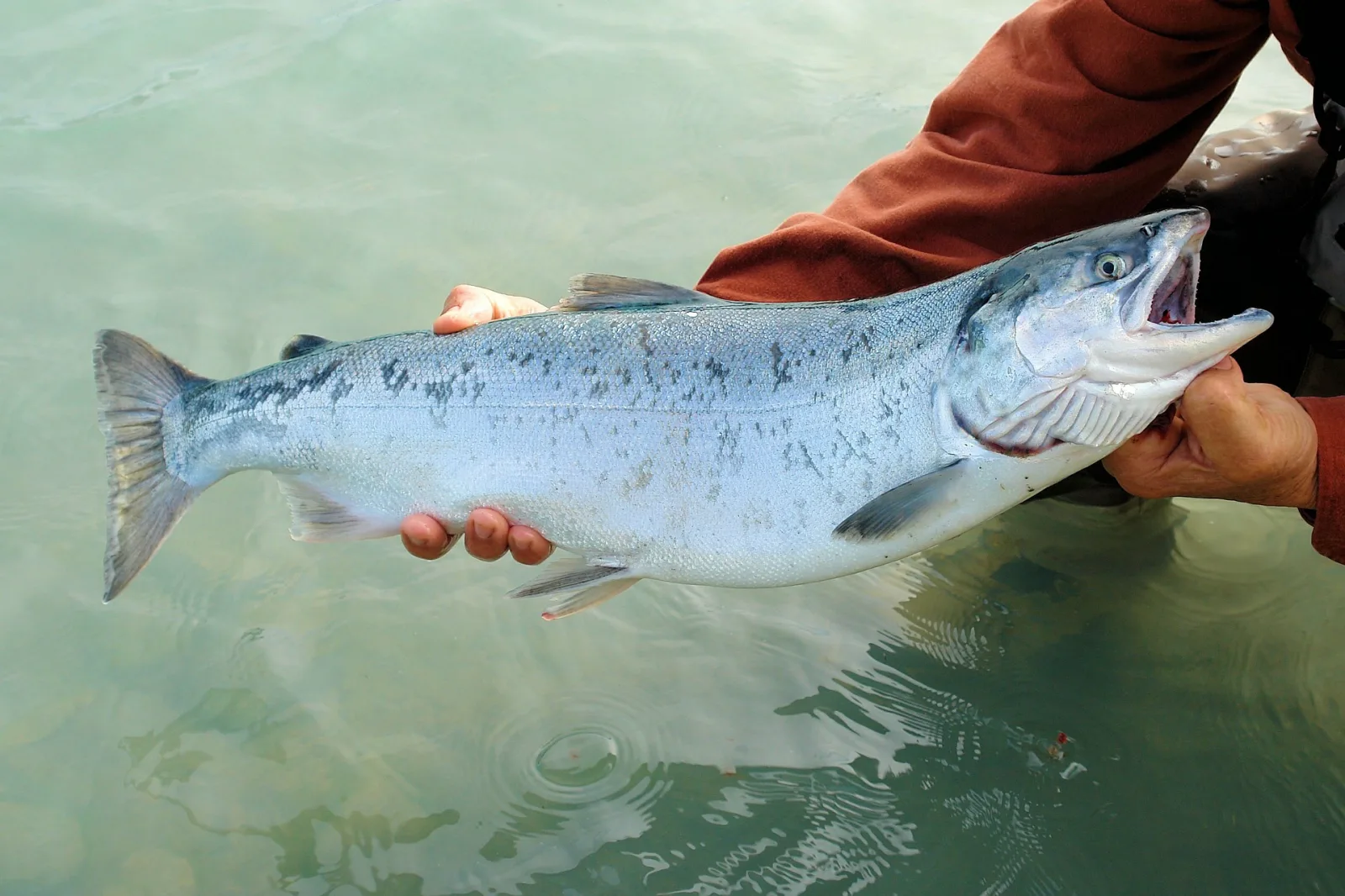
A poor fisherman is one who is afraid of getting his socks wet
Where Bessel, Hippel, Rosenkranz were laid to rest...
From Königsberg to Rauschen in just three hours!
A day trip to a green oasis on the Old Pillau Road
West of Amalienau, Lawsken and Ratshof
The King's Garden of Königsberg, which would later become Parade Square
A cult venue on Französische Straße
In the early 20th century the estate was owned by the well-known inventor Georg Knorr
A village west of Kaukehmen (Yasnoye) that became famous thanks to a fairy tale about the local water spirit Schlompetters
A settlement in the Zelenogradsk Urban District on the old road to Cranz
Prussia has had, has and will always have its unlicensed workers
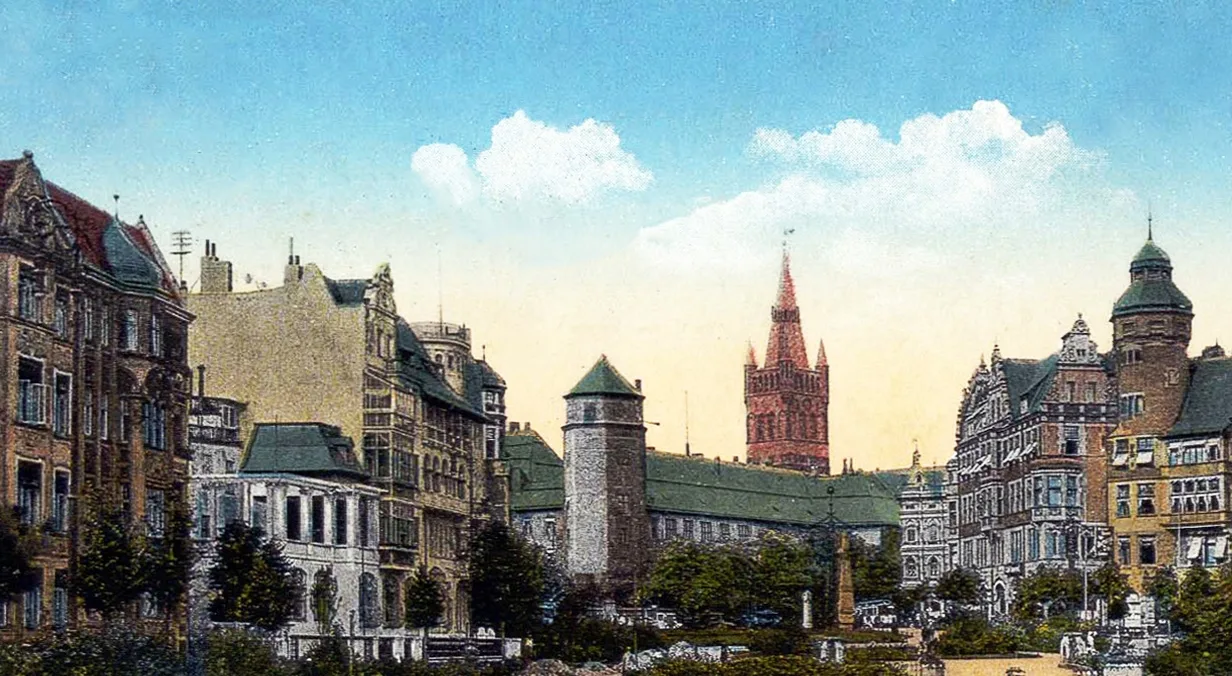
Königsberg in the Belle Époque
The heart of Königsberg's waterworks
A settlement on the Sambian Peninsula west of Kaliningrad
One of the main streets of Königsberg and the district of the same name
In the heart of Samland
The first large locality after Kosma on the road from Kaliningrad to Baltiysk
The narrowest street in Königsberg
A settlement near the legendary Prussian sanctuary of Romowe
According to legend, the first cross in Samland was erected here
On the road from Kaliningrad to Bagrationovsk
The Theodor Krohne Park and Luisenthal
A district built along and between the roads leading to Samland
From Rossgarten to the Litauer Wall, north of King Street, home to the Kronprinz barracks and the Grolman bastion
The surroundings of the famous castle of the same name
A place of remembrance of Saint Adalbert
A semi-precious fossilised resin of coniferous trees
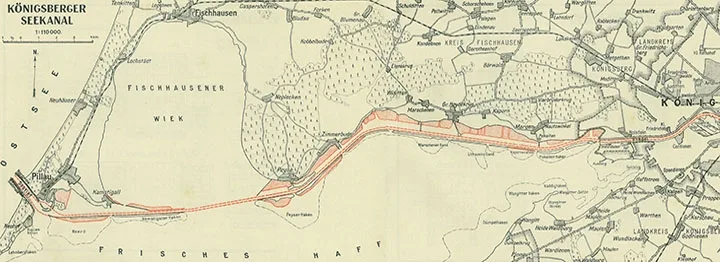
A town on the banks of the Kaliningrad Sea Canal
Haberberg's green shawl
A settlement in the most deserted part of the Sambian Peninsula
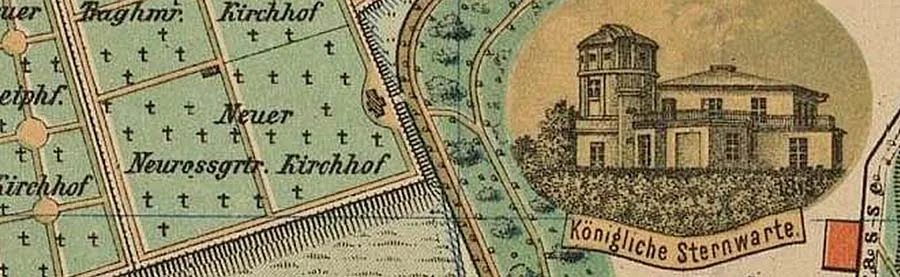
A park around the observatory in the western part of the city
The history of Universitetskaya Street, which was once Parade Square
A Neurossgarten treasure hidden in the courtyards of Moskovsky Avenue
The centre of amber mining before the Palmnicken era
The oldest town on the Pregel. The heart of Königsberg, which beat for 700 years between the castle and the river
An English landscape park in the Chinese style with a German accent
The western part of Svetlogorsk, where the famous Königsberg sculptor Hermann Brachert lived in the 1930s. Today there is a museum here
Where there is a Gross Kuhren, there is a Klein one too
Between Svetlogorsk and Yantarny. "Baltic Artek", the beach of Filino Bay, the Zipfelberg dune – it is all here
Between Svetlogorsk and Pionersky. In the Soviet period the place was known locally as the Boatswains' Village
A settlement separated from Cape Gvardeysky by an extensive pine grove with a modern lighthouse
One of the iconic places of Sambia, which gave its name to the large forest in the north-west of the peninsula
When good roads came to Prussia
What Klaipėda was like at the end of the 19th century
The sad story of an old park
The Fish Market as the epicentre of street food
Where oil is extracted and yachts are built
The first church here was built under Ulrich von Jungingen, when he was still Komtur of Balga Castle
A cosy, picturesque settlement on the way out of Yantarny towards Primorsk
A city that emerged at the confluence of the Instruch and Angrappa rivers
Eydtkuhnen is first mentioned in 1557 as the settlement of Eittkau
The place became known in the 19th century, when the amber miners Stantien & Becker moved here from the Curonian Spit
The little town has had a controversial reputation since the time of the first Hohenzollerns. Especially its castle
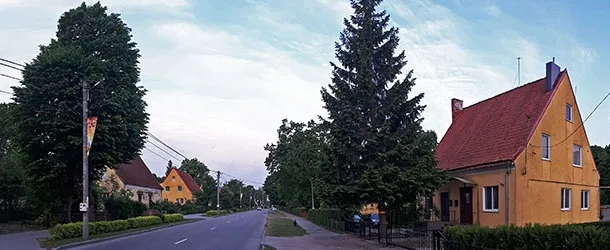
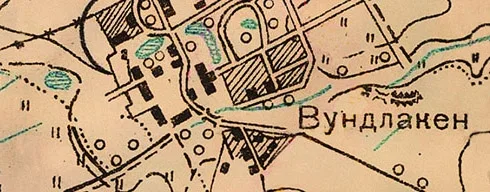
Wundlacken was founded in 1284. Until 1785 it was called Wundilauken
King Frederick William I of Prussia granted Gumbinnen town status on 6 April 1721
Capital of the polder lands of the Elchniederung, aka the Elk Valley
Founded in 1283 as Neustadt Castle. Today the cosiest settlement on the Russian half of the Curonian Spit
An excursion to Cape Taran in the village of Donskoye and to the Zipfelberg iron dune in Primorye
Экскурсия в районный центр КО, возникший у слияния рек Инструч и Анграппа, где начинается Преголя
Все самое интересное и запоминающееся — экореставрация, орнитология, планеры, дюны, пляжи на море и заливе
Экскурсия в города Правдинск и Железнодорожный, плюс шлюз №5 на Мазурском канале
Одно из немногих мест в области, где еще сохранился дух Старой Пруссии
Экскурсия в идущие на сближение Пионерский и Светлогорск
Едва ли в КО есть что-то более живописное, чем местный пролив, по которому постоянно курсируют корабли
Лучшие пляжи Калининградской области — на западном побережье Самбии
Удивительные соседи: девственная природа и лидер области по городскому благоустройству
A quiet corner of the Polessk District that became famous thanks to the Old German School Waldwinkel museum
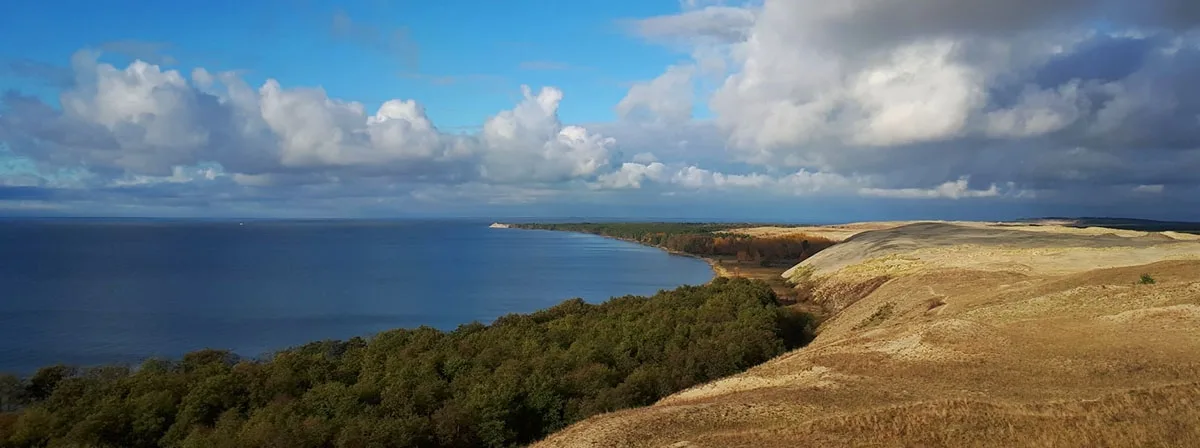
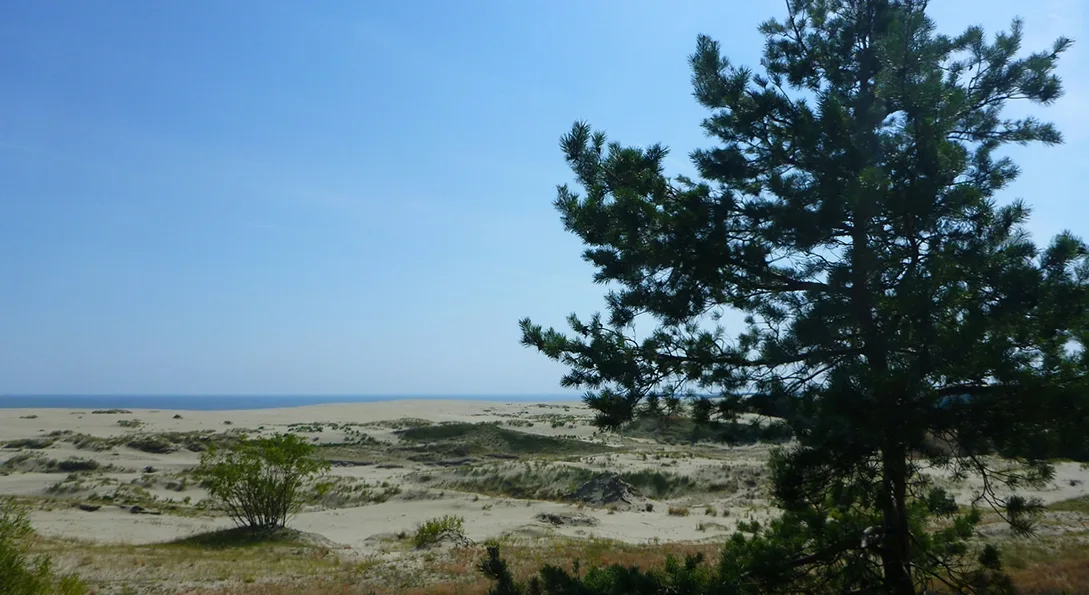
The largest sand spit in the world. A national park
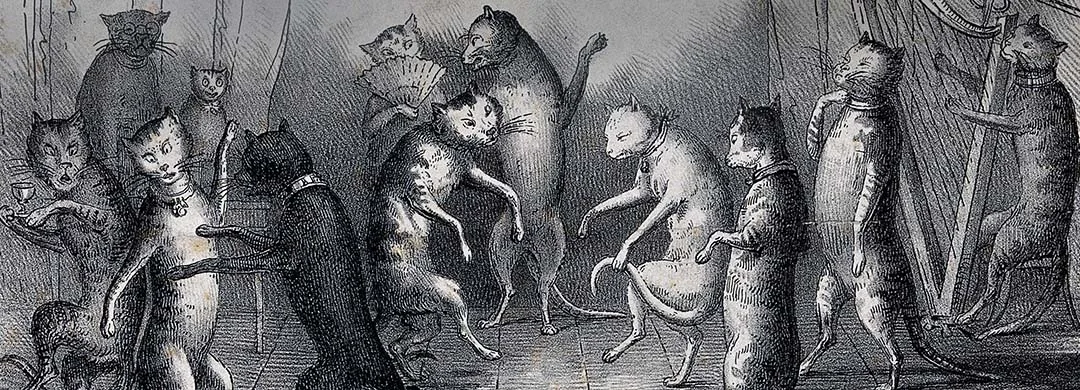
A popular seaside resort at the base of the Curonian Spit, a.k.a. the "City of Cats", the leader in urban improvement in the Kaliningrad Region
A city of regional significance where the Tylzha River flows into the Neman
Ragnit was granted town rights in 1722 by Frederick William I, who went down in history as the Soldier King
Soviet historiography regards 1734 as the official founding year of Krasnoznamensk
The town is unique in that it did not grow up around a castle of the Order or of a bishop
In 1818 Stallupönen became the centre of the Kreis of the same name
The settlement by the ruined castle of Nordenburg received Kulm town rights on 24 July 1407
This small town on the Angrapa once gave shelter to Swiss Protestants, who turned it into a real "gem"
The settlement by Gerdauen Castle was granted town rights on 21 September 1398
A settlement at the turn-off to Sovetsk from the Kaliningrad–Chernyakhovsk–Gusev road, where the Glubokaya River flows into the Pregolya
One of the smallest towns in the Russian Federation
The settlement by Labiau Castle received town rights on 28 July 1642
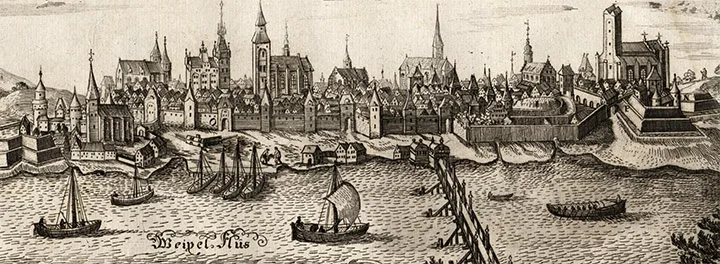
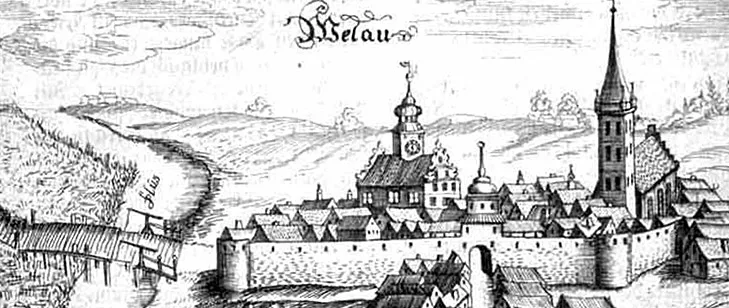
In 1339 Wehlau received Kulm town rights from Grand Master Dietrich von Altenburg
A settlement in the Nesterov Urban District on the Russkaya River. Founded in 1589
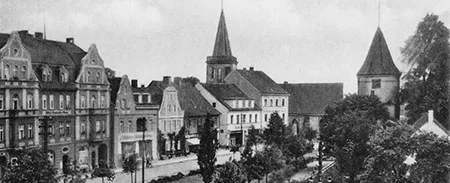
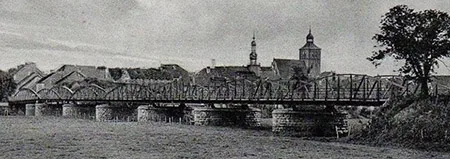
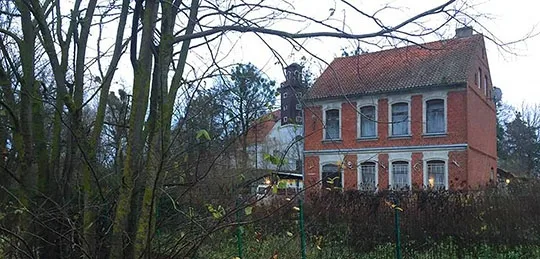
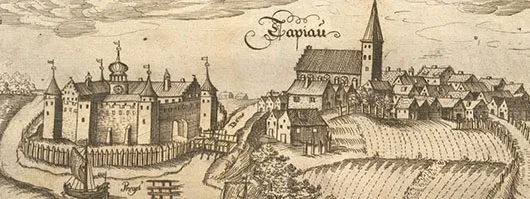
Tapiau received town rights in 1722 from King Friedrich Wilhelm I
How the Teutonic Order was organized
A settlement near Galtgarben on the road to Svetlogorsk and Yantarny
A settlement in the Zelenogradsk Urban District with a beautiful but neglected park
A settlement in the Guryevsk Urban District on the bank of the region's main river
A settlement in the Neman urban district at the confluence of the Instruch and Ulyanovka rivers
A settlement within Zelenogradsk on the Zelenogradka River
A settlement in the Slavsk urban district on the Slavsk – Yasnoye road
A settlement in the Polessk Urban District
A settlement in the Gvardeysk Urban District on a high riverbank, home to the premium hotel "Romanovski Castle"
A settlement in the Gvardeysk Urban District on the Slavinka River
A settlement in the Guryevsk Urban District on the Guryevka River, known for its hotel and restaurant
A settlement in the Zelenogradsk Urban District on the Pereslavskoye – Primorsk highway
A settlement in the Zelenogradsk Urban District
A settlement in the Chernyakhovsk urban district where the Golubaya River flows into the Pregolya
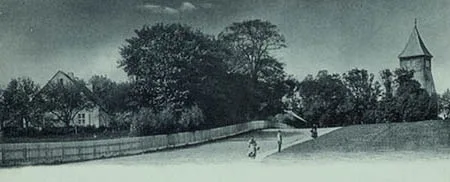
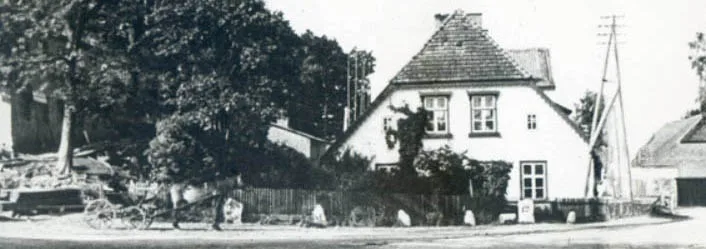
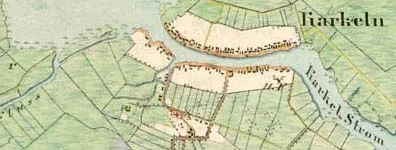
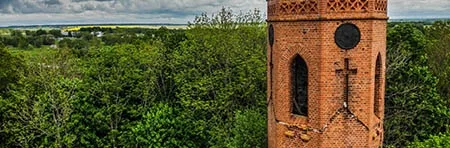
A settlement in the Slavsk Urban District at the mouth of the Razliv River (Karkelstrom)
A settlement in the Bagrationovsk Urban District on the Prokhladnaya (Frisching) River
Kaukehmen was known from 1466 as a castle of the Teutonic Order
The locality of Pobethen is first mentioned in the chronicles of the Order in 1258
A Prussian settlement existed on the site of Medenau as early as the 11th century BC
The locality of Lowke is first mentioned in documents in 1258
A settlement in the Zelenogradsk District on the Zelenogradka and Slavnaya rivers
A settlement in the Zelenogradsk Urban District south of Svetlogorsk. It once had the parish church of this part of Samland
A quintessential local fishing village at the mouth of the Gilge River, now renamed the Matrosovka
One of the oldest places in Sambia
A settlement in the Krasnoznamensk Urban District on the Neman River
A settlement in the Bagrationovsk Urban District on the Kaliningrad – Mamonovo road
A settlement in the Zelenogradsk Urban District on the Zelenogradsk – Romanovo road
Founded in December 1352 as a bishop's castle on the site of the Prussian fortress of Wostopolo
A field of artesian wells of Kaliningrad's water supply system
A settlement in the Chernyakhovsk Urban District on the Podgornoye – Svoboda road and the Golubaya River
A settlement with a landing stage on the Curonian Lagoon where the Deima River flows into it
Founded in 1272 as a castle of the Teutonic Order on the site of a Prussian fortress
The first settlement on the site of present-day Domnovo is mentioned in 1249
A woodcutters' village that received town rights in 1725
A settlement in the Bagrationovsk Urban District on the Rezvaya River, linked by family ties to Martin Luther
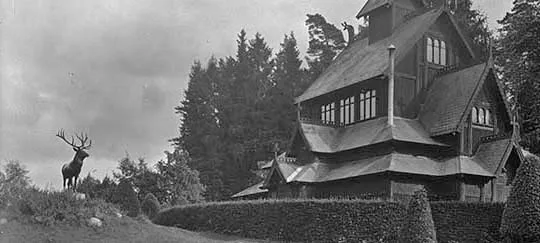
One of the most beautiful spots in the Rominta Forest. Kaiser Wilhelm II built a hunting lodge here in the Norwegian style
A settlement in the Bagrationovsk Urban District on the Prokhladnaya River that became famous thanks to Simon Dach
The first settlement on the Russian side of the Curonian Spit, reached by a perfect cycle path
A village in Nesterov District, the “capital” of the Rominten Heath
A charming settlement on the Kaliningrad (Königsberg) – Sovetsk (Tilsit) road
A settlement on the Curonian Spit, famous for its gliding school and its ornithological station
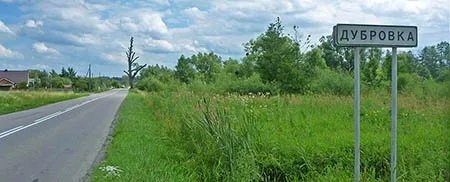
In 1947 Görken, Klaussen and Pilzen were merged and renamed Dubrovka
Founded in 1314. In 1946 it was renamed in honour of Ivan Ladushkin, who was killed in the fighting for the town
A town in Bagrationovsk District on the Vitushka and Mamonovka rivers
A climatic and balneological resort of federal importance
The fishing village that stood on the site of Neukuhren is first mentioned in 1254 – it is older than Königsberg
The town's founding date is considered to be 1290, but little of it has survived
The town was founded in 1241 as a castle of the Teutonic Order
A town on the Sheshupe that did not survive the Second World War
A quiet spot on the bank of the Timber stream
How the star of the Great Elector of Brandenburg-Prussia rose
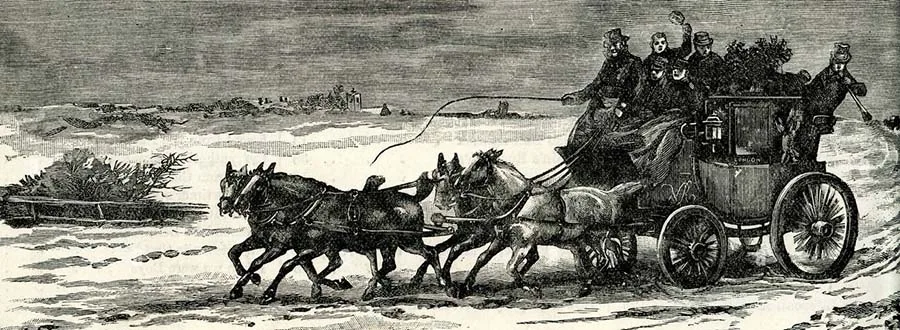
How the Great Elector chased the Swedes across the ice by sleigh
Arthur Sarnitz on his plans for Fort No. 1 and Balga Castle
The story of one of the world's largest archaeological collections, assembled in pre-war Königsberg
Badly damaged during the Second World War, which later led to its demolition
Badly damaged during the Second World War; all that remains of it is the tower, without its spire
Partly destroyed after WWII. In the 1960s–70s it was dismantled for bricks. Its railings went to make a school fence
It survived the Second World War intact; in the 1970s it housed one of the workshops of the Raduga factory
It came through the Second World War undamaged, but in the winter of 1950–51 it was set on fire by teenagers
Of the handsome church built at the beginning of the 20th century, not one stone was left standing on another
One of the few wooden churches in East Prussia
Architecturally striking and famous for its burial monuments. A ruin, yet still standing and waiting
Little remains of the large and beautiful church built at the beginning of the 20th century
In the 20th century the village and its church vanished from the maps
Of one of the most beautiful churches of East Prussia only a fragment of wall and the pastor's house remain
In the 2010s the local community nurtured the idea of setting up a First World War museum in it
One of the most unusual churches in the region, part of the Kristijonas Donelaitis Museum
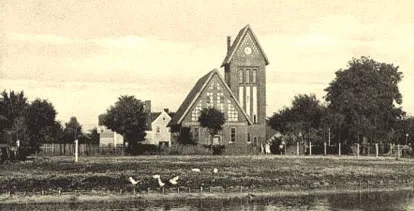
Surprised by the shape of the dome on the church tower in Novokolkhoznoye? In German times it looked almost the same
It has survived to this day. It stands as if in a vacuum: the whole village around it was taken apart for bricks
Undamaged in the Second World War, it stood unused and gradually fell into ruin in the post-war years
The large one is Protestant, the miniature Gothic one is Lutheran
In the first quarter of the 21st century it was a sorry sight. All hope rests with the "Guardians of the Ruins"
After the war it was used as a club with a dance floor and as a gymnasium. In 1989 it was handed over to the Russian Orthodox Church
The active Church of St Bruno was built to a design by Friedrich Heitmann at the very beginning of the 20th century
One of the hardest-to-reach monuments of medieval architecture in the region
When it was rebuilt in the 19th century, masonry from the time of the Teutonic Order was partly reused
Since 2000 the church has been used as a gym by the Mozyr school across the road
One of the most expressive and picturesque ruins in the region
It is hard to count on a happy, peaceful life when you are surrounded by a military training ground
Thanks to the efforts of local enthusiasts, the crumbling church has become a notable cultural centre
A contemporary of Ragnit Castle, built towards the end of the Order era. Damaged in 1945, it gradually fell into ruin
A wood-clad brick building, untypical of East Prussia, met, alas, a typical fate
The war passed it by. It stood intact until 1951. It was used as a warehouse and a net-making workshop
The best-known church along the Kaliningrad – Polessk road is guarded by a headless German soldier
An architect from Königsberg who went on to become famous left his mark in the Elchniederung with the design of this modest church
Inspired by the Roman basilica of San Clemente in Rome. Stüler realised a similar design in Potsdam
A church that witnessed an epoch-making battle between the Russian and French armies, now disfigured and consigned to oblivion
From roughly the end of the 14th century the chief ornament of this church was its Gothic east gable
After the war this characteristic brick building on a high boulder plinth found itself in the border no-man's-land
In the 18th century, East Prussia was a governorate of the Russian Empire for five years
Designed and built at the turn of the 19th and 20th centuries. Considerably expanded after the Second World War
A hydraulic structure from the days of the Teutonic Order still meets about 15% of Kaliningrad’s needs
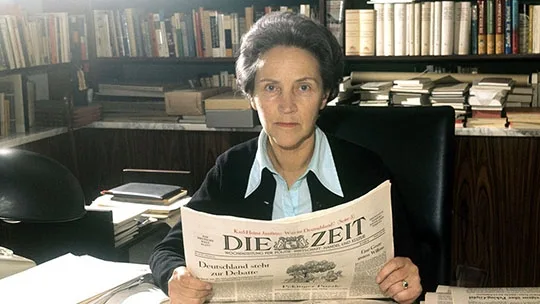
How the heiress to one of Prussia’s most illustrious family names became Germany’s most influential journalist
Until 1989 it was used as a net-making workshop, and by May 1990 it had reopened to believers
The last decade of the 20th century proved fatal for the church, when it suffered its greatest losses
On the roof stood a small turret, and above the modest altar a simple cross. The fiery whirlwind of war swept it all away
It was built for holidaymakers in the early 20th century. Today it houses the House of Culture of the village of Primorye
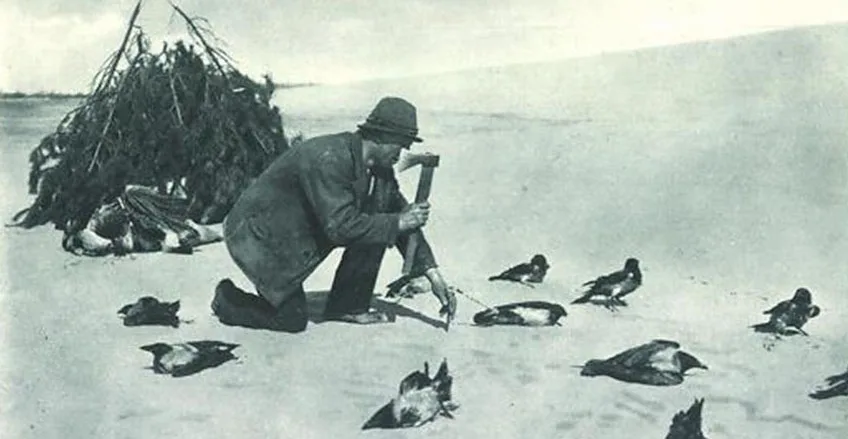
How the people of the Curonian Spit came to eat crows, and then got Königsberg hooked on them too
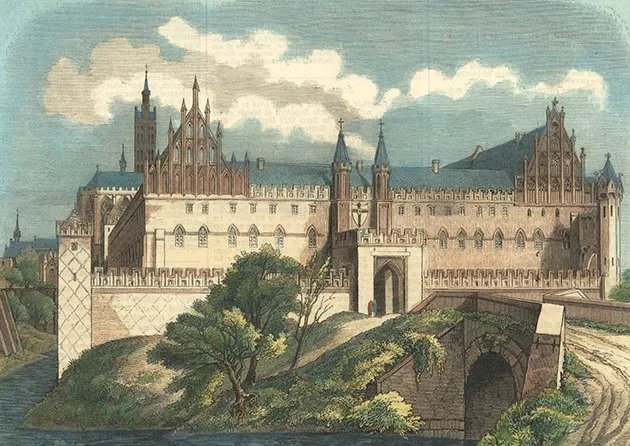
Castles of the Teutonic Order in Prussia
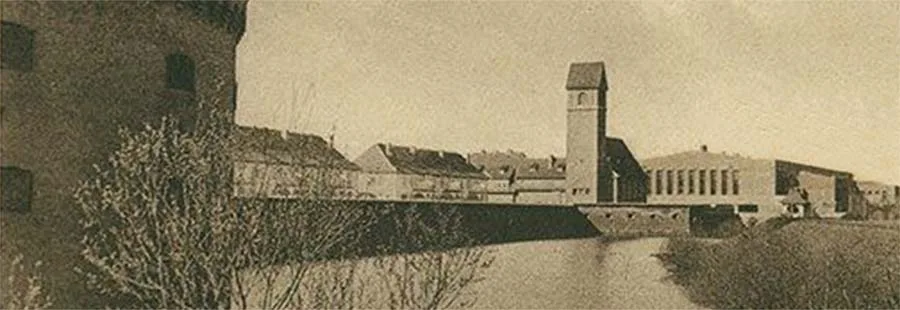
A neighbour of the House of Technology and the Wrangel Tower, it stood between them on the bank of the former fortress moat
The last church in Kaliningrad to be demolished by decision of the Party leadership
A neighbour of the observatory and the botanical garden. For a long time its spire was the tallest in the city
Insterburg's twin, a bishop's castle with a large outer bailey, was built in stone at the end of the 14th century
The only church built on Lomse Island before the Second World War
Built in stone no later than the mid-14th century. Burned down twice, rose again only once
The Order's bridgehead on the shore of the Frisches Haff lagoon, from which the conquest of Prussia began
Named in honour of Otto III, Margrave of Brandenburg, who saved the Order in 1266
A vivid illustration of the fact that no merits can save you from oblivion
A witness to and participant in the turbulent history of Samland in the days of the Order, which more than once saved the local bishop
Prussia had many Order castles like this one, but only this one was visited repeatedly by Immanuel Kant
For a long time it served as a staging post for the Order's troops on their way to Lithuania
It was here, on 21 January 1758, that the capitulation of East Prussia was signed and Königsberg was surrendered to the Russians
A medieval fortress that later served as an administrative center in a strategically important area
The castle's last owner was an anti-fascist who was thrown into prison and found hanged there
Its name and location suggest that there was once a strait through the spit at this spot
Until the mid-15th century it was the centre of the capital of the Order's state. The largest brick castle in the world
A magnificent building with the only surviving danzker in northern Poland
The link between the Prussian possessions of the Teutonic Order and the Baltic lands of the Livonian Order
At the height of the Order's power, Mewe was its most important stronghold in the west
An intermediate stronghold between Kreuzburg and Bartenstein, built of stone and brick from the very beginning
An outpost of the Teutonic Order and a mustering point for knightly forces on campaigns into Lithuania
A dubious mix of the Middle Ages and 19th-century Gothic Revival, with a modern commercial "outer bailey"
An outpost on the route from Nadruvia to Königsberg that controlled the Pregel and the Deime
The most astonishing thing is that in the 21st century a castle from the days of the Teutonic Order serves as a home for ordinary mortals
The first castle of the Teutonic Order in Prussia, next to which a settlement grew up almost at once
It protected Königsberg from Lithuanian raids, serving as the first staging post on the eastern route
A fighting fortress that served the Teutonic Order faithfully in the 13th and 14th centuries
With a French Square and a French Street in the city, the appearance of a French church was a foregone conclusion
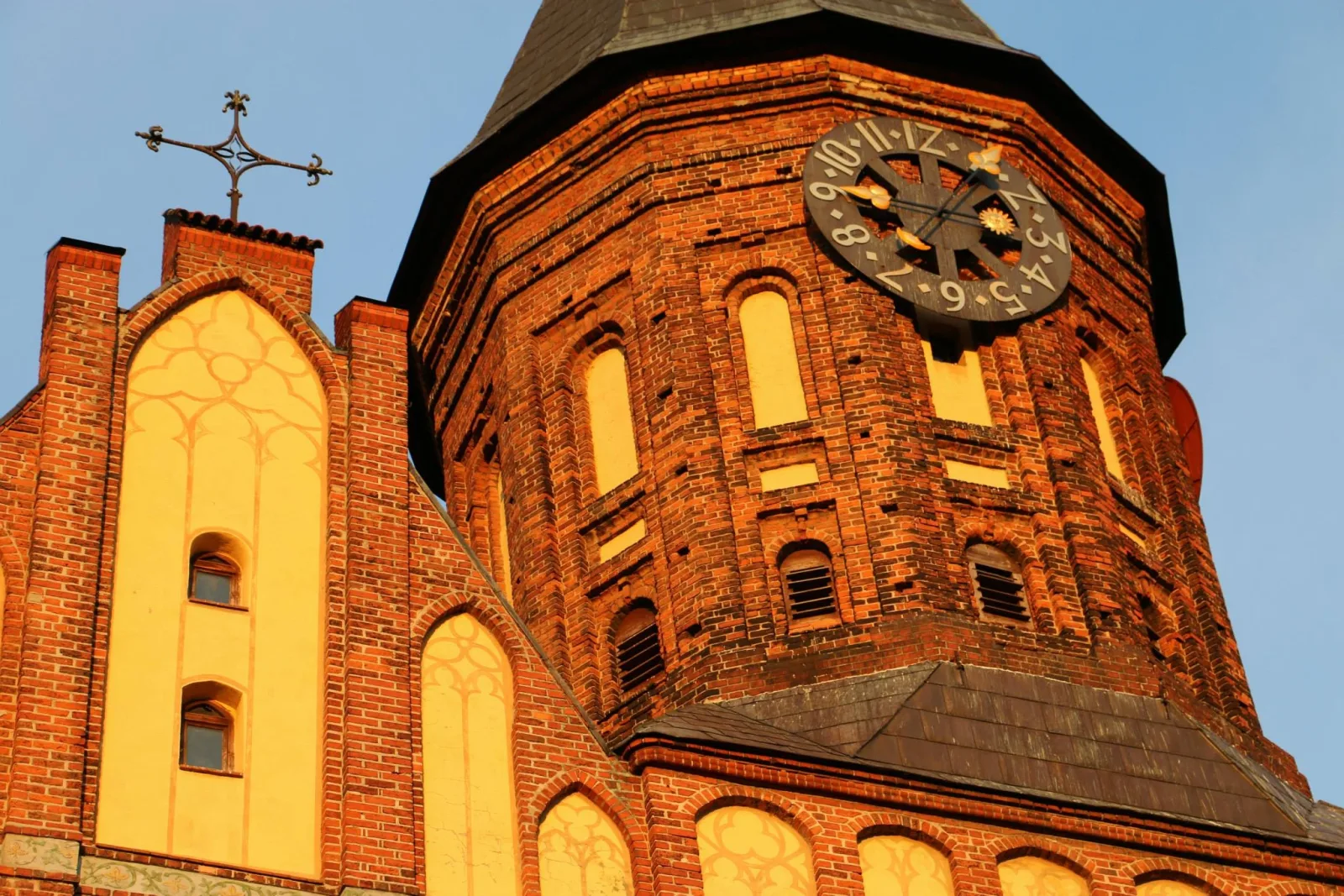
The city's principal architectural monument
The church of the local weavers, brewers and newspapermen, whose home ground was the Löbenicht
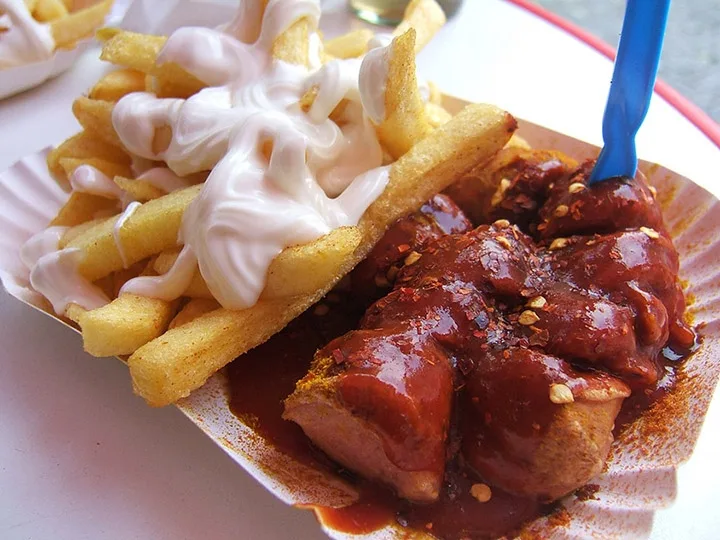
The genealogy of a famous Prussian-Brandenburg street food
An interview with Tatyana Kolivay, philologist, translator and author of the blog “Fairy Tales of Germany”
The name of this traditional local liqueur translates as “Bear Hunt”
The Battle of Grunwald, fought on 15 July 1410, was the decisive engagement of the Great War of 1409–11
Twelve years of Nazism and five and a half years of war are a drop in the ocean compared with the path this city travelled, turning from a wretched l…
The history of the Teutonic–Lithuanian conflicts began immediately after the Teutonic Order conquered the Prussian lands
The Russian army's victory at Gross-Jägersdorf could have been the first step towards routing the army defending East Prussia, but it was not...
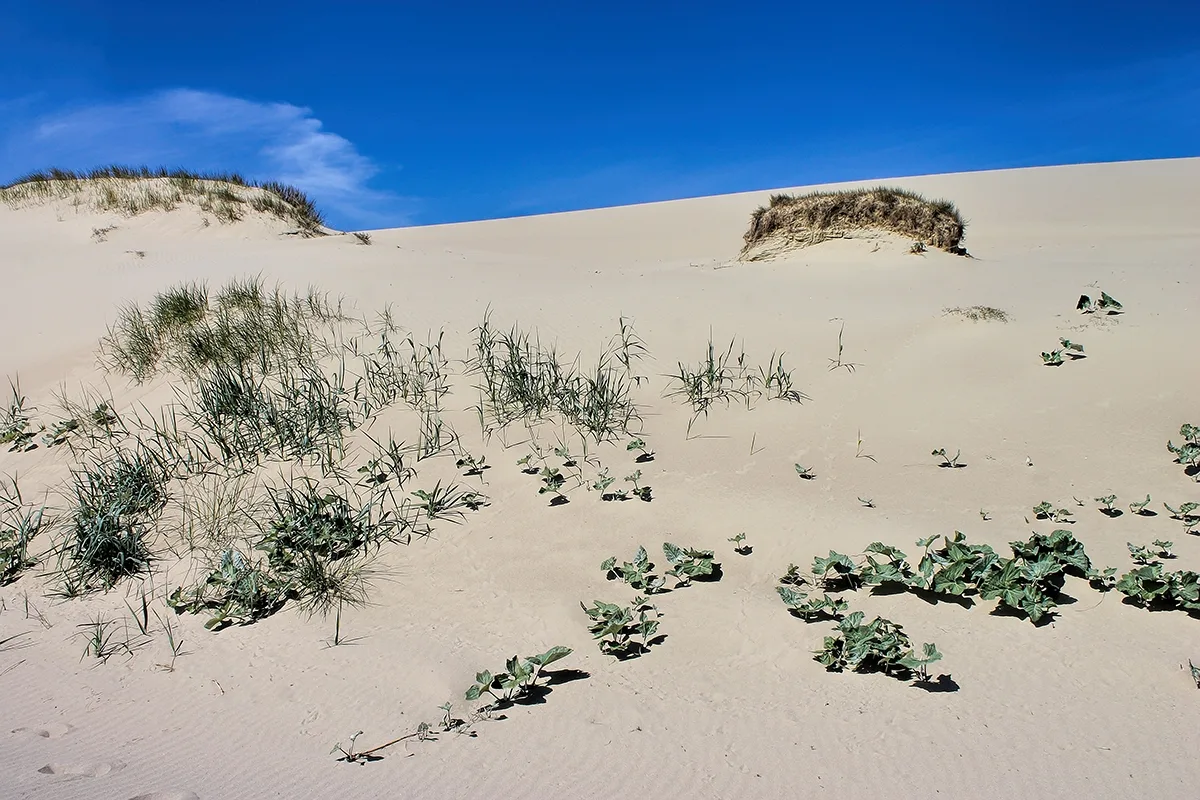
The flora of the Curonian Spit was shaped by people in the course of their struggle against shifting sands
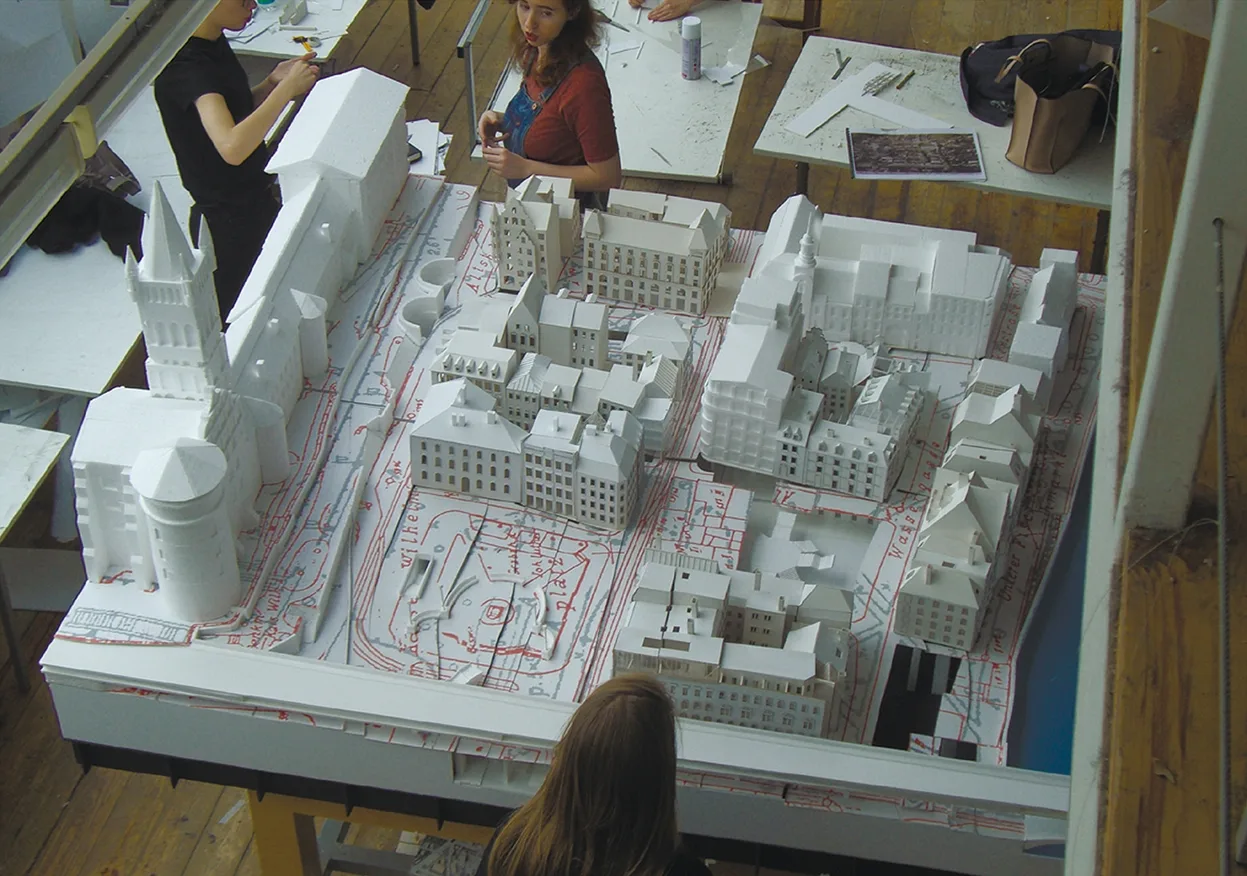
Presentation of the MARKHI initiative project "Eight Blocks of the Altstadt" (2017)
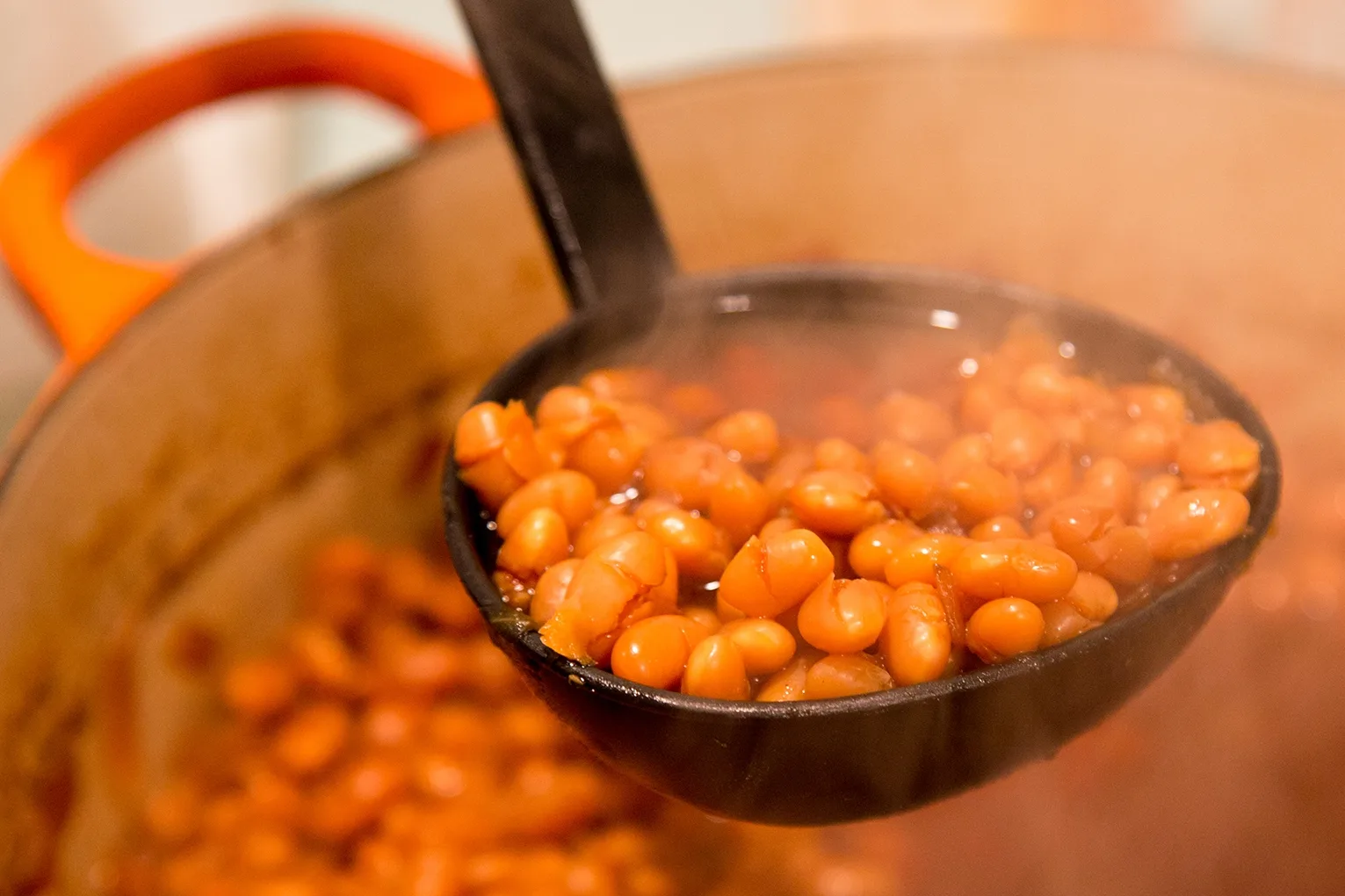
They were used to make everything from soups to patties and salads
The history of the construction of Königsberg's second ring of ramparts
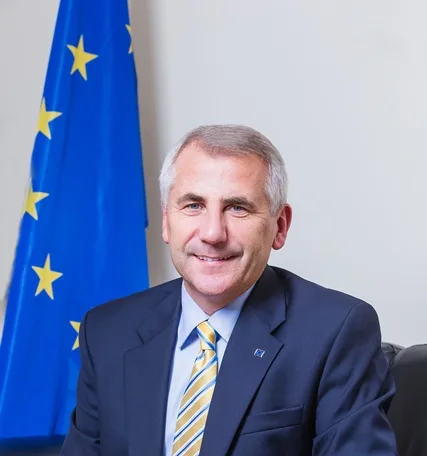
An interview with the head of the European Union Delegation to Russia
Napoleon rode into the city through their gates, Kant strolled along their ramparts, and the young Peter I studied their design
A balanced ecosystem built up over centuries cannot withstand the onslaught of new-Russian pseudo-developers
The history of East Prussia’s foremost castle from the Middle Ages to the present day
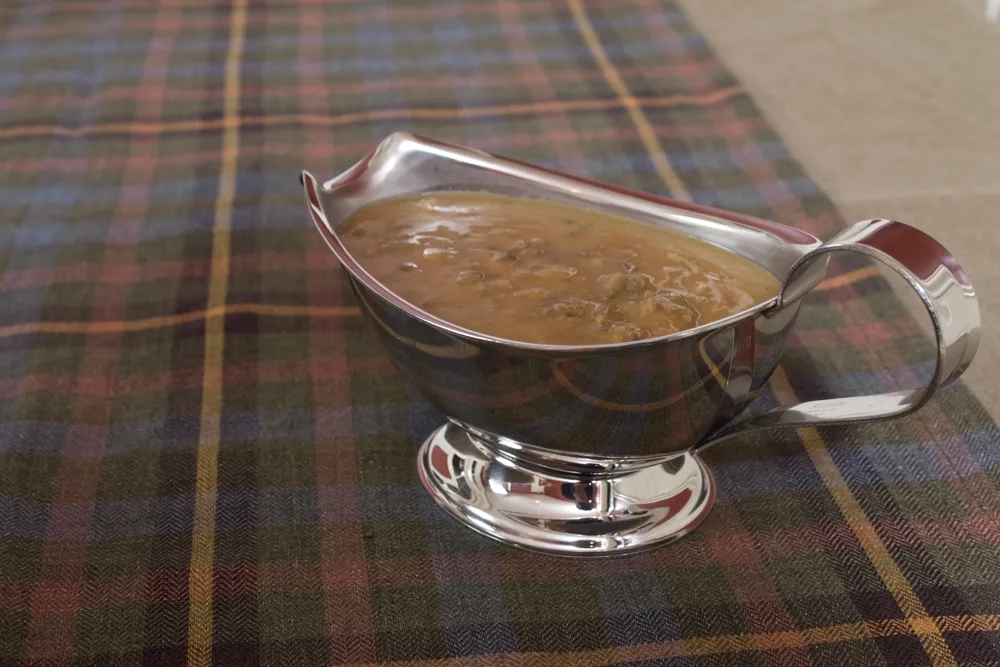
Over the centuries, Prussian housewives mastered all kinds of seasonings and spices, sometimes blending them together
An interview with Gerfried Horst, chairman of the Society of Friends of Kant and Königsberg
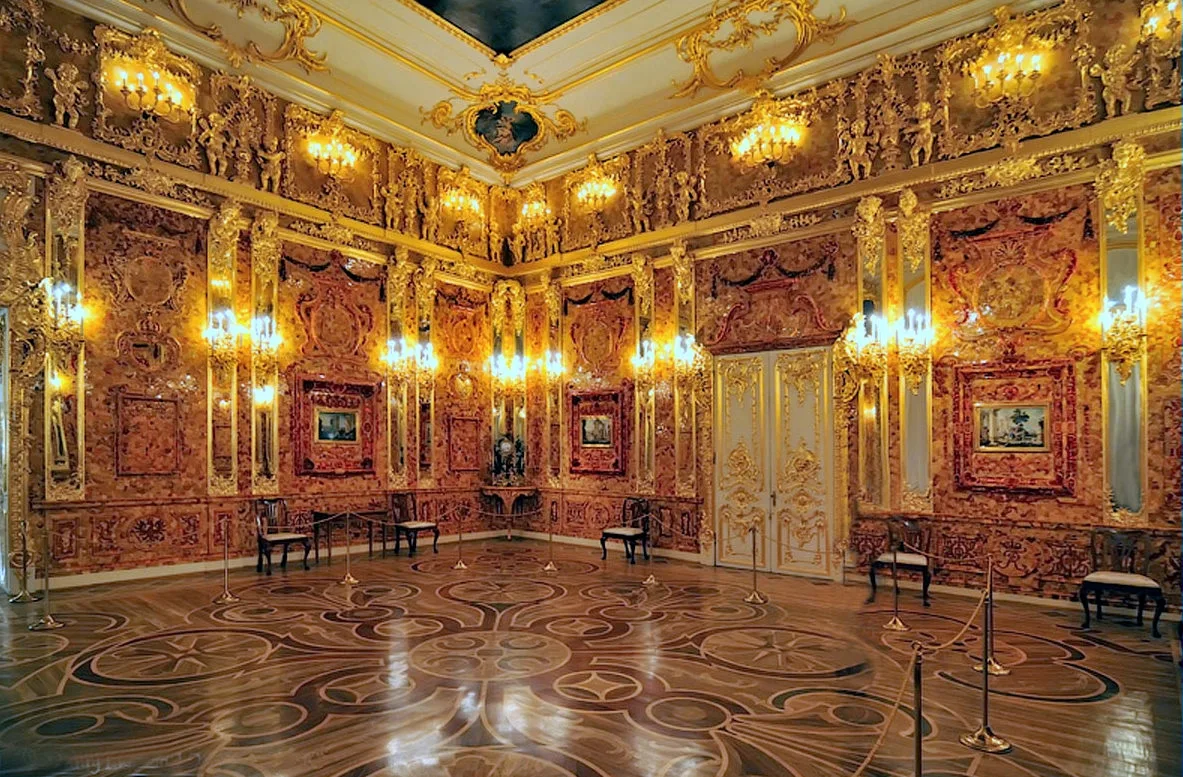
The last eyewitness account placing its crates in Königsberg's Royal Castle dates from the fifth of April 1945
Michael Willmann was a Baroque painter from Königsberg who worked in Silesia and won fame throughout Europe
Does Kaliningrad need a memorial plaque to the absent-minded and bewildered Osip Mandelstam, who got "stuck" in Königsberg in 1910?
Also known as the Kaliningrad Regional Children's and Youth Centre for Ecology, Local History and Tourism
Before the Second World War, a reliable freight and passenger transport network linked every settlement in the Heath
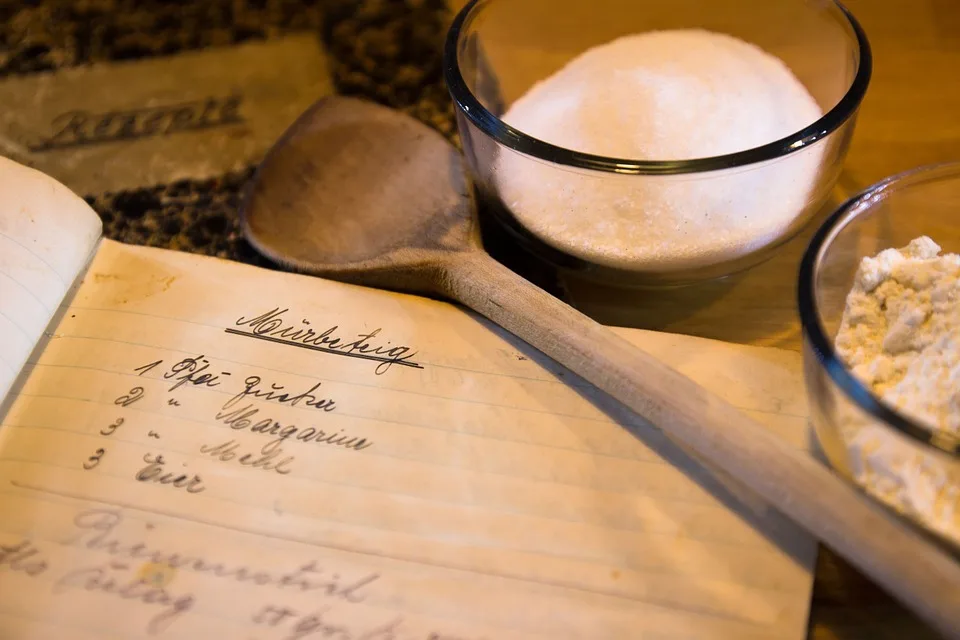
A selection of the most interesting and characteristic recipes developed over many centuries
The biography of one of the most famous German painters, who was born in Tapiau (Gvardeysk), studied in Königsberg (Kaliningrad) and went on to achie…
Is there a grain of truth in the myths and legends about underground Königsberg?
An interview with the Hungarian sociologist Pál Tamás, honorary doctor of the Institute of Sociology of the Russian Academy of Sciences
The roads and rides dividing the forest sections had names, and signposts were put up to help people find their way
One of them is about Kaliningrad identity
The East Prussian Operation from the standpoint of military science
A review of Polish press coverage of the Russian exclave on the Baltic
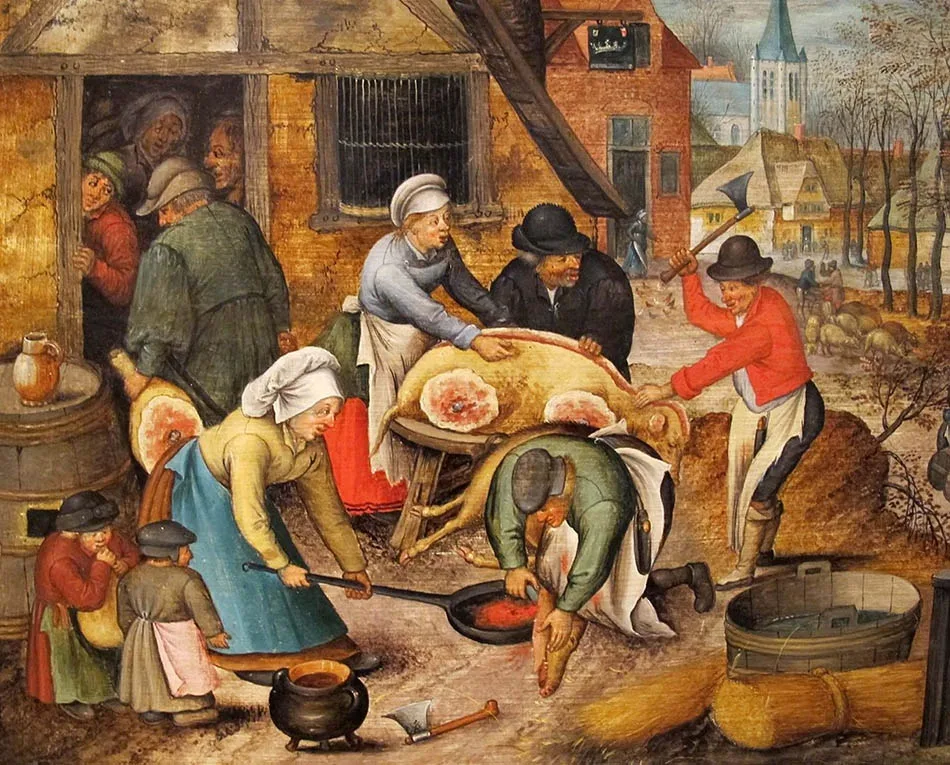
How pork dishes were prepared in East Prussia
Traditional recipes for the festive table and the everyday dinner
A calendar of blossoming and contemplation
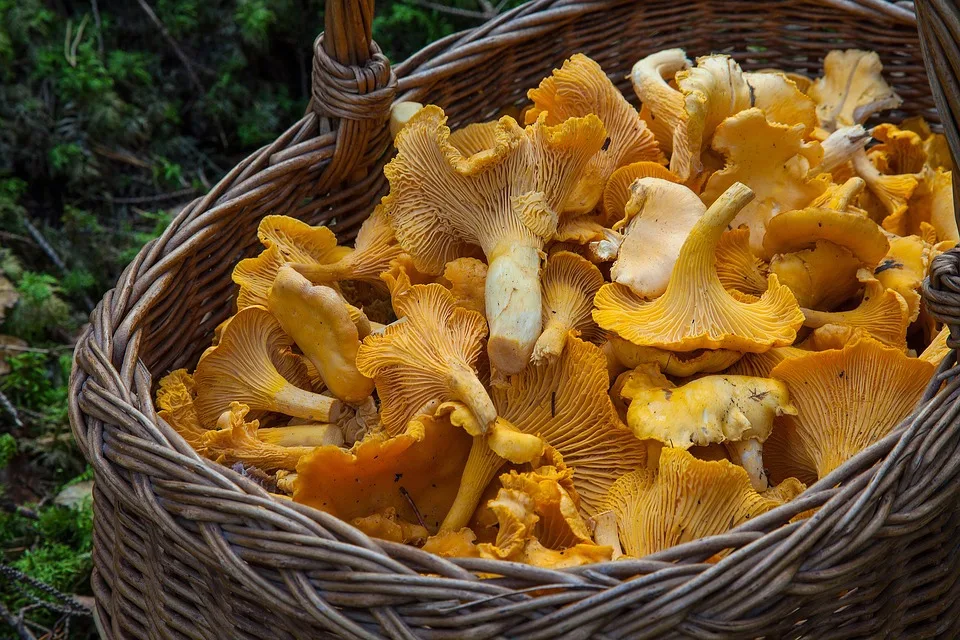
Time-tested local recipes for mushroom dishes and dishes with mushrooms. Fortunately, there have always been plenty of them here!
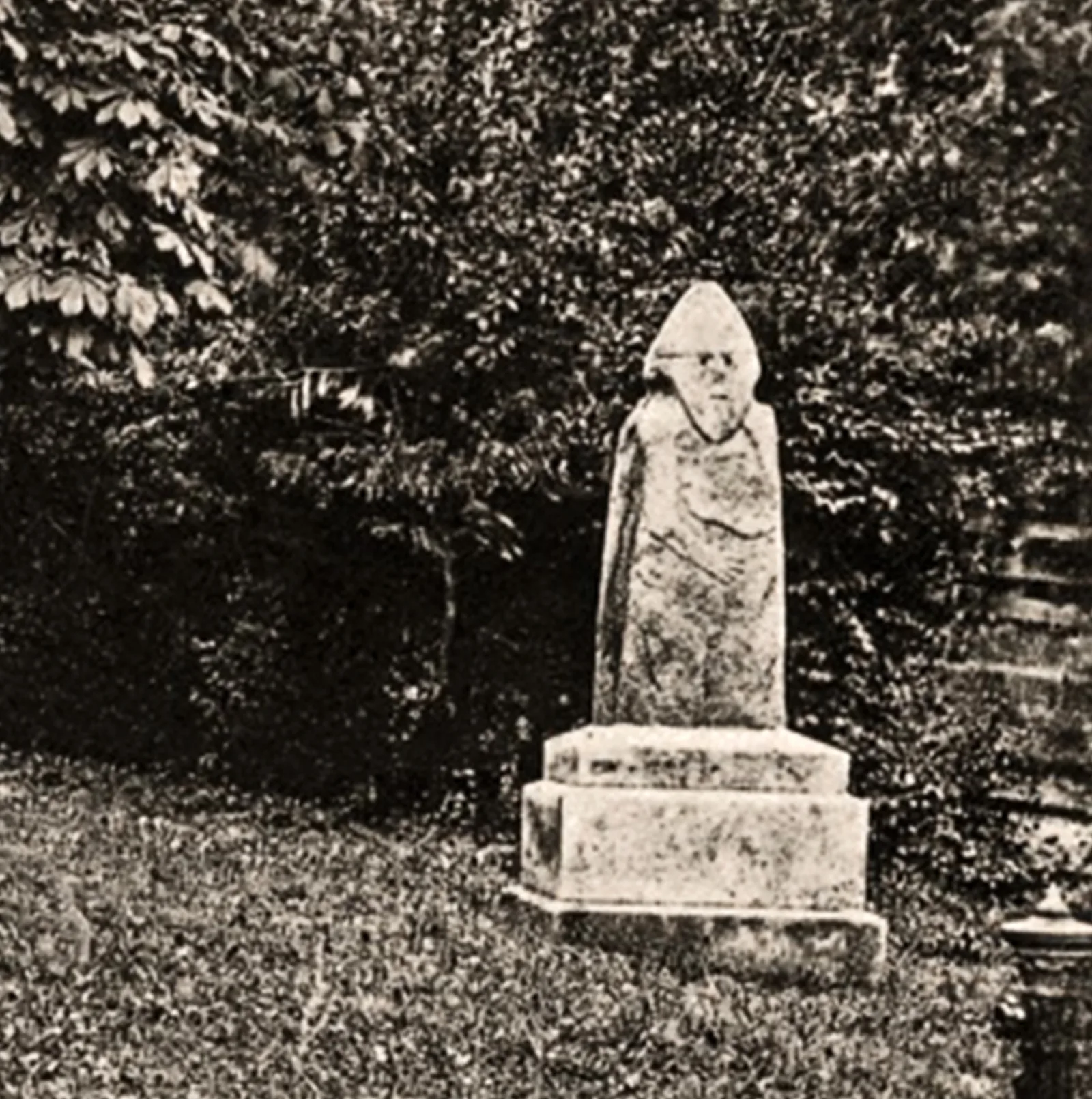
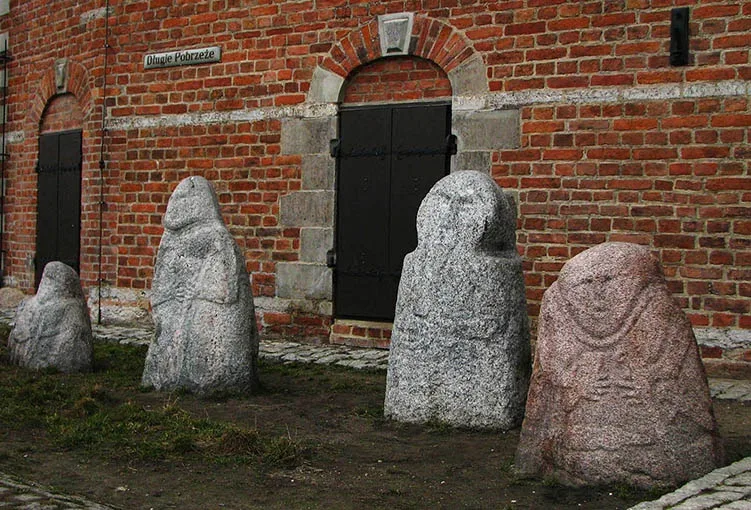
Legends and tales of the stone “babas”
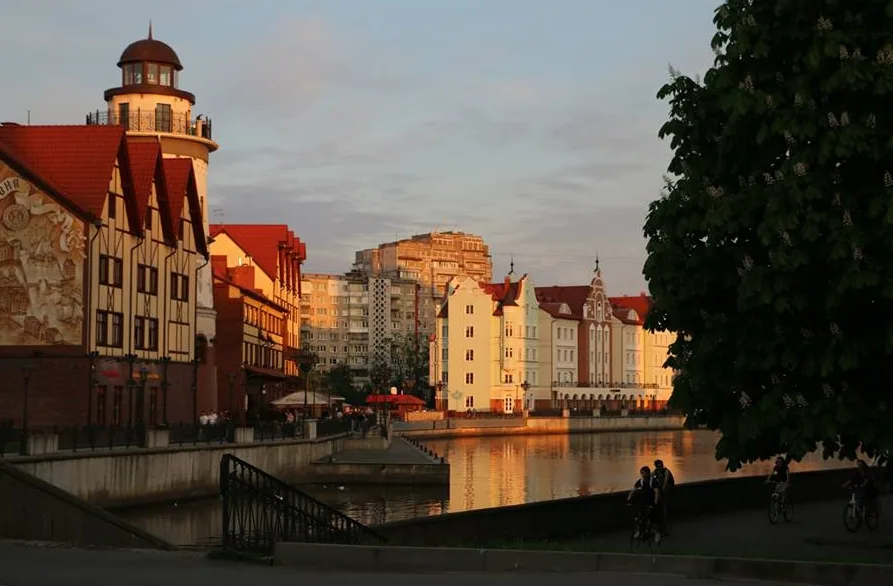
Soon two new complexes will appear on the banks of the Pregolya, with modern façades reminiscent of German warehouses and the old Fish Village
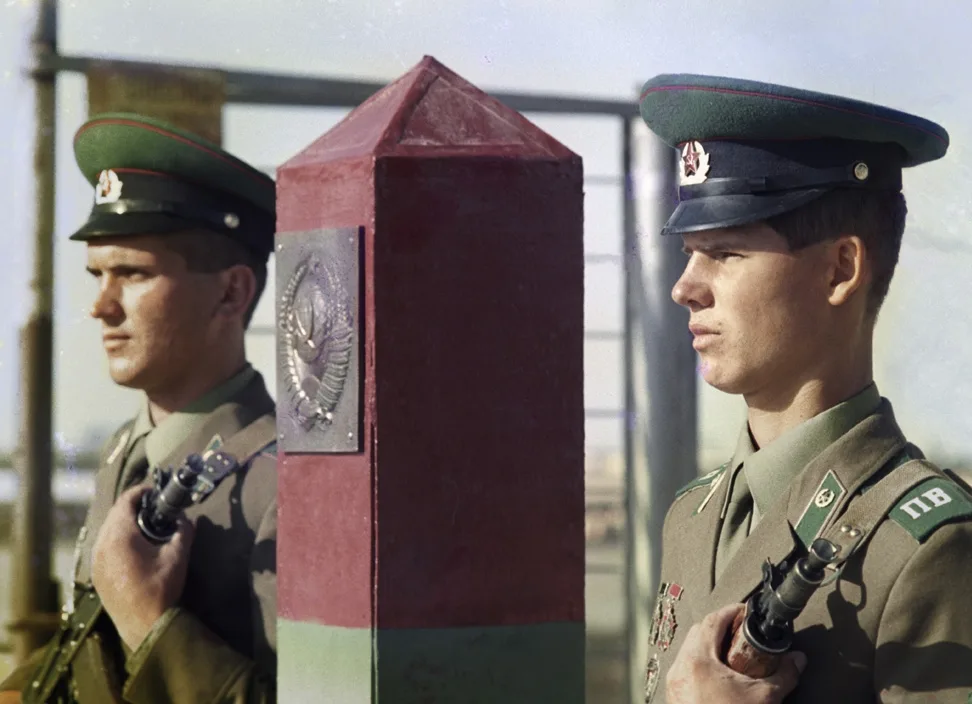
Nostalgic notes on the days when the border was under lock and key
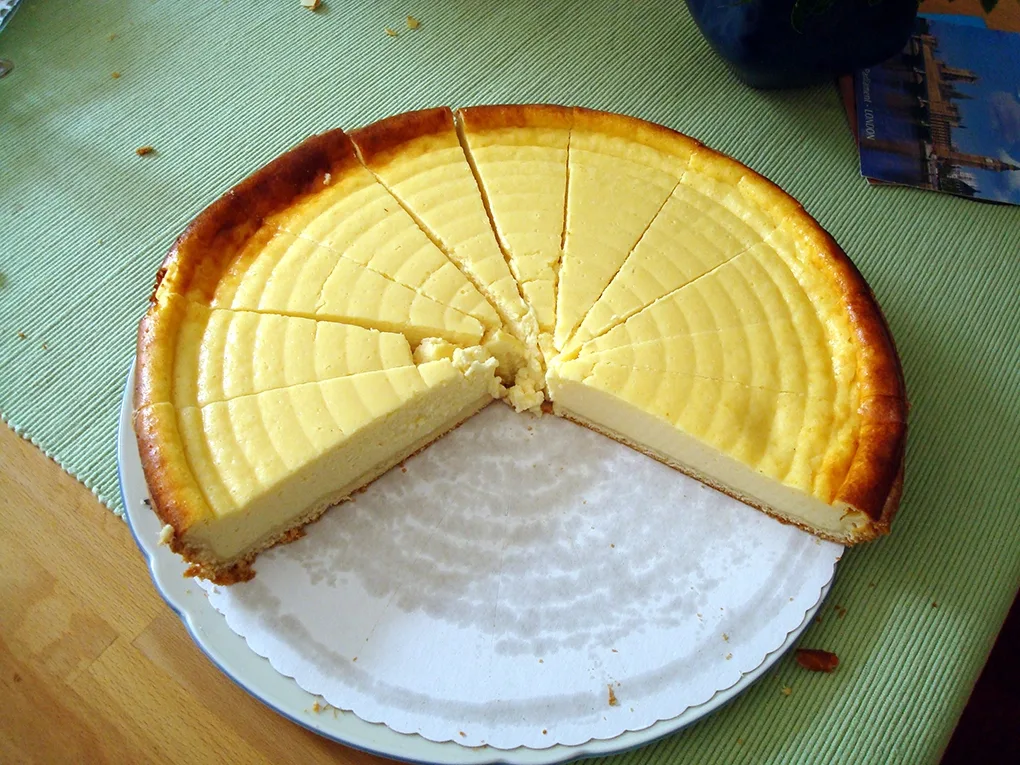
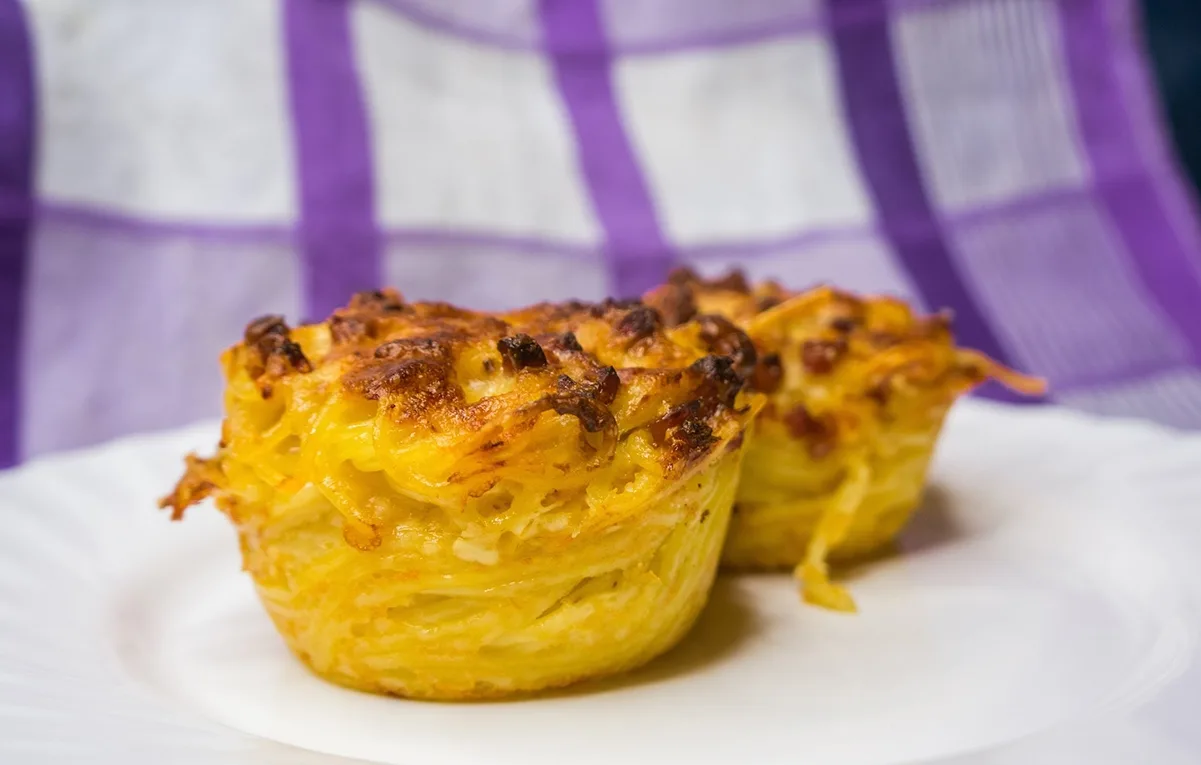
The quark dishes popular in East Prussia are astonishing in their variety
The meaning of the anthropomorphic stone sculptures on the southern borders of the Prussian lands remains a mystery
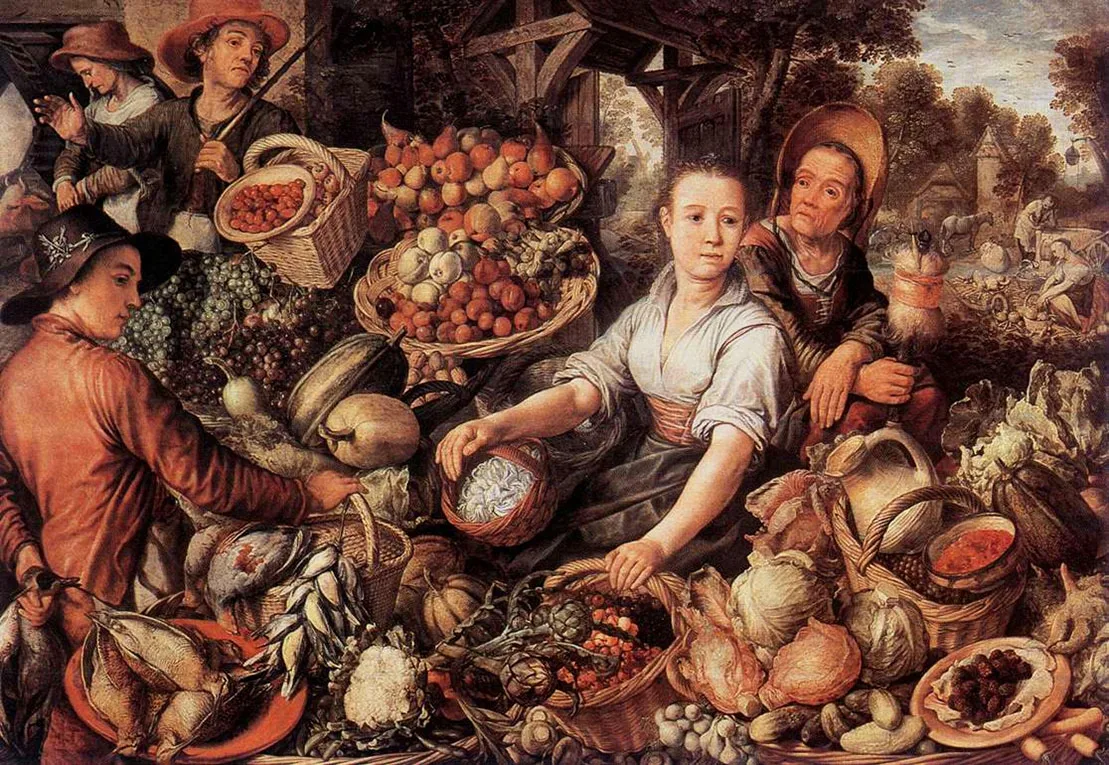
In East Prussia people joked that the best vegetable is meat, yet no table was complete without vegetable dishes
Original traditional recipes that have stood the test of time
Once a popular place for an outing, the Bismarck towers still have tourist potential today. All that is needed is to preserve the little that remains…
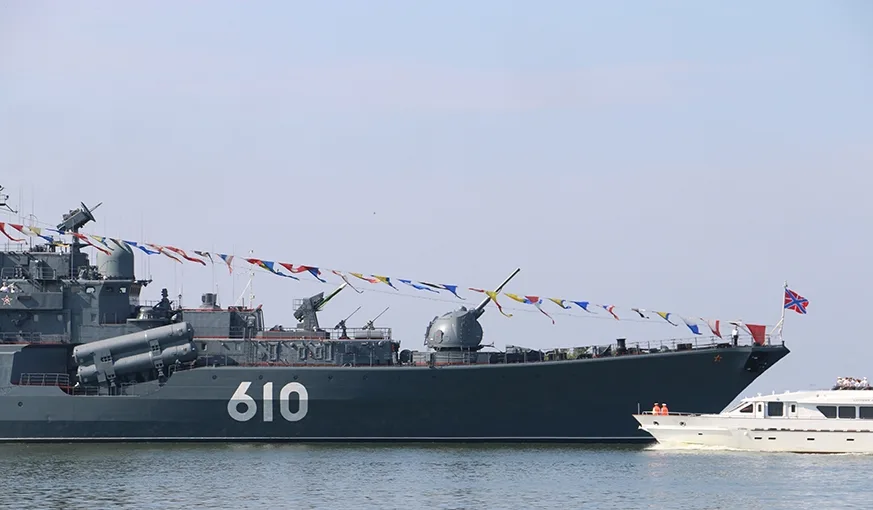
Today the Baltic Fleet is the best-off of Russia's fleets
"Schneider's Green Belt", which shaped Kaliningrad's ecological environment for almost a hundred years, is vanishing before our eyes
What is our city's main advantage if we leave aside the EU being "within walking distance"?
Streusel, Kringel and Pfefferkuchen
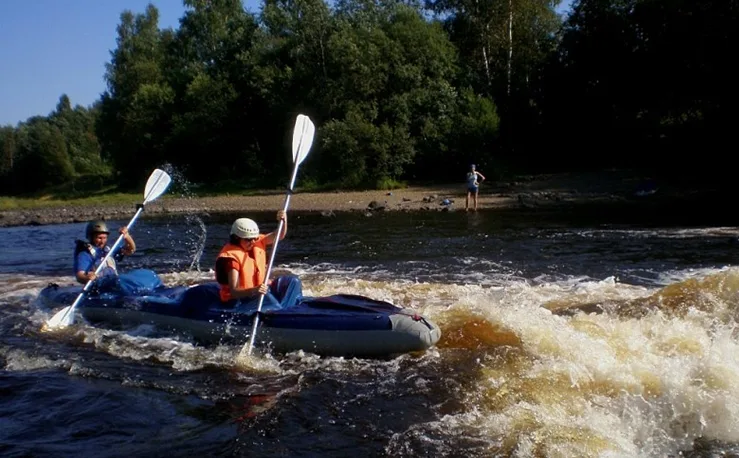
An interview about water tourism in the Kaliningrad Region with Aleksey Anokhin, a seasoned kayaker
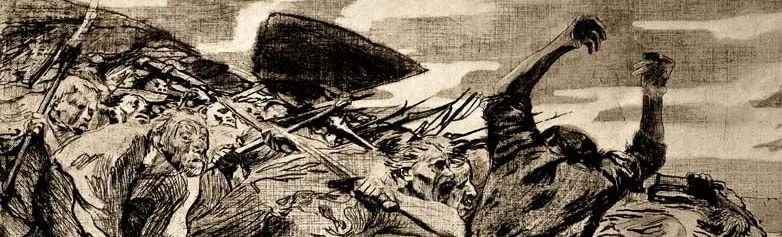
The life story of the famous Königsberg artist and sculptor Käthe Kollwitz
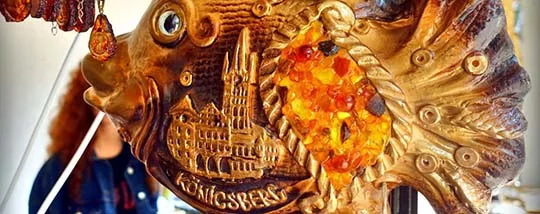
In the Kaliningrad region, this fossilised antediluvian resin will get to anyone...
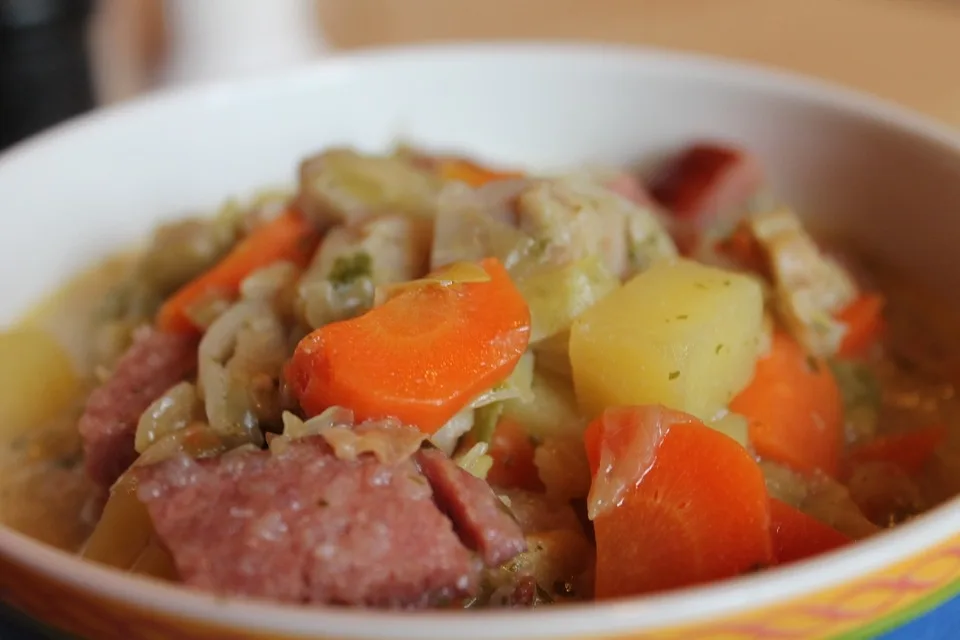
For a long time this simple but delicious soup was the region's gastronomic symbol
An insider's view of Kaliningrad
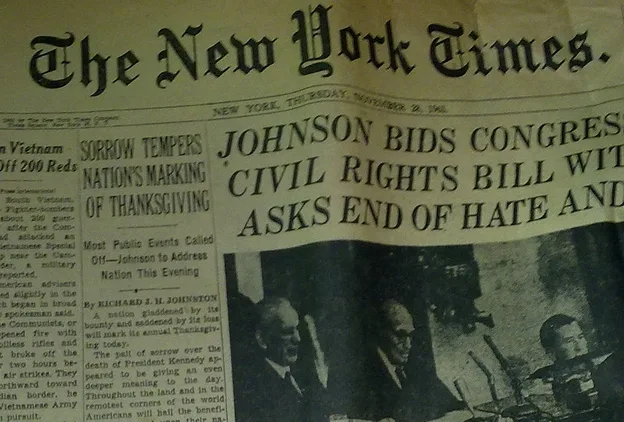
Most New York Times articles that mention Kaliningrad are military news
How Kaliningraders see in the New Year
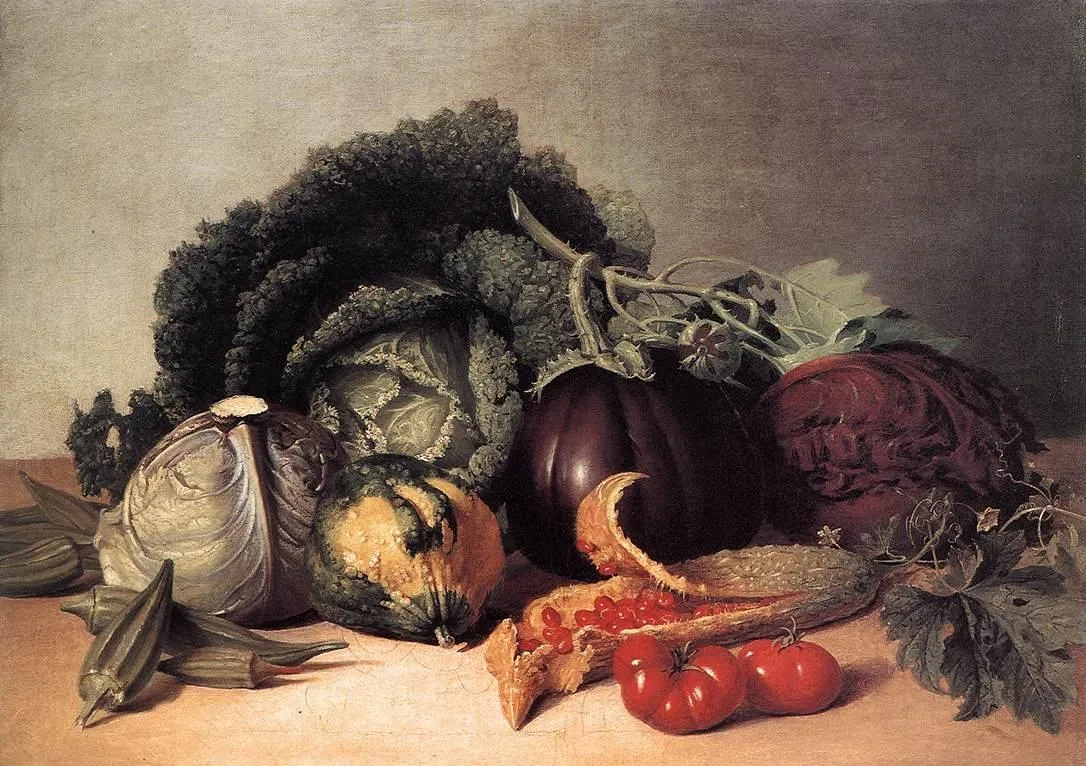
Quick, bring me white cabbage, quick, bring me red cabbage, bring me cauliflower and a little swede!
Yekaterina Semyonovna Zhivopistseva tells the story of her father, a soldier taken prisoner by the Germans at Tannenberg in 1914 who escaped in 1919
The story of a family who moved to Kaliningrad just a year ago but have already come to love their new home
1 January is the birthday of Kristijonas Donelaitis, the classic of Lithuanian poetry, who spent his whole life in Tollmingkemen (Chistye Prudy)
Many tourists who come to Kaliningrad do the same stock things
Getting ready for the holidays: recipes for local cocktails, plus a look at their history
Интервью с титулованным археологом
The East Prussian Operation was aimed at crushing a large pocket of resistance; however, its strategic significance should not be overestimated
Surviving fragments of the material culture of bygone eras have a powerful influence on local people
A view of Polish-Russian cooperation in the local border traffic zone from Switzerland and Portugal
The Kaliningrad region (formerly East Prussia) invites you on an unforgettable journey
A city’s palette of sounds is no less important than its visual one. Sometimes sounds can tell you more than pictures
The Rominten Heath combines natural beauty, cultural heritage and excellent opportunities for tourism
Споры не утихают
Once you are back home from Kaliningrad, you will remember it. Remember it so vividly that you will want to come back
Successful intercultural projects with our neighbours, Poland and Lithuania, give hope for further cooperation
The continuation of Natalya Antonova's overview article on the flora of the Kaliningrad Region
Rich catches had a beneficial effect on both the quality and the number of recipes
How do people who have never been here imagine Kaliningrad? We asked residents of other cities and countries to let their imagination run free on the…
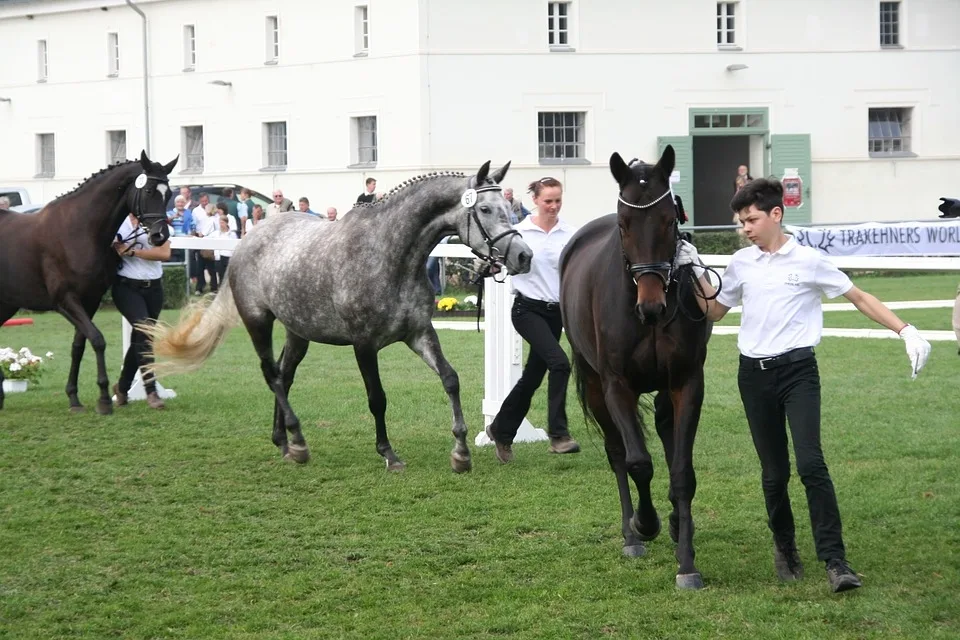
The centuries-old history of the Trakehner horse breed
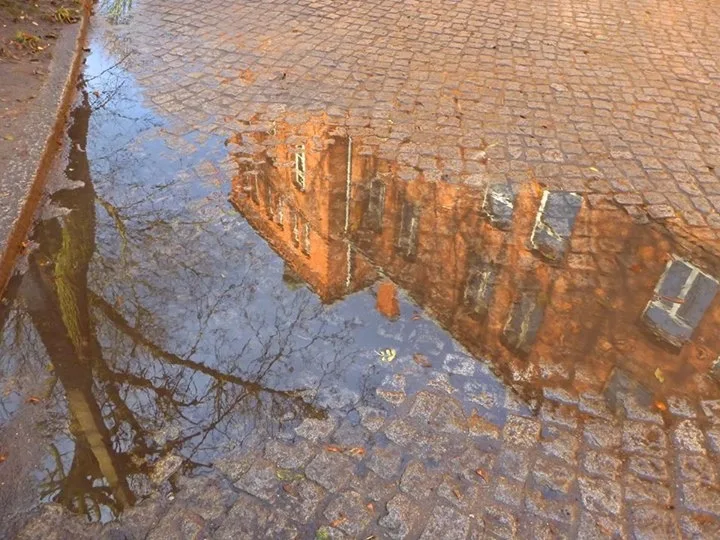
It turns out that loving the rain and loving your city are two sides of the same coin
How Kaliningrad music lost its "fabulous 90s"
A report in a Swiss newspaper looks at the face of modern Kaliningrad, which in places coexists with Königsberg
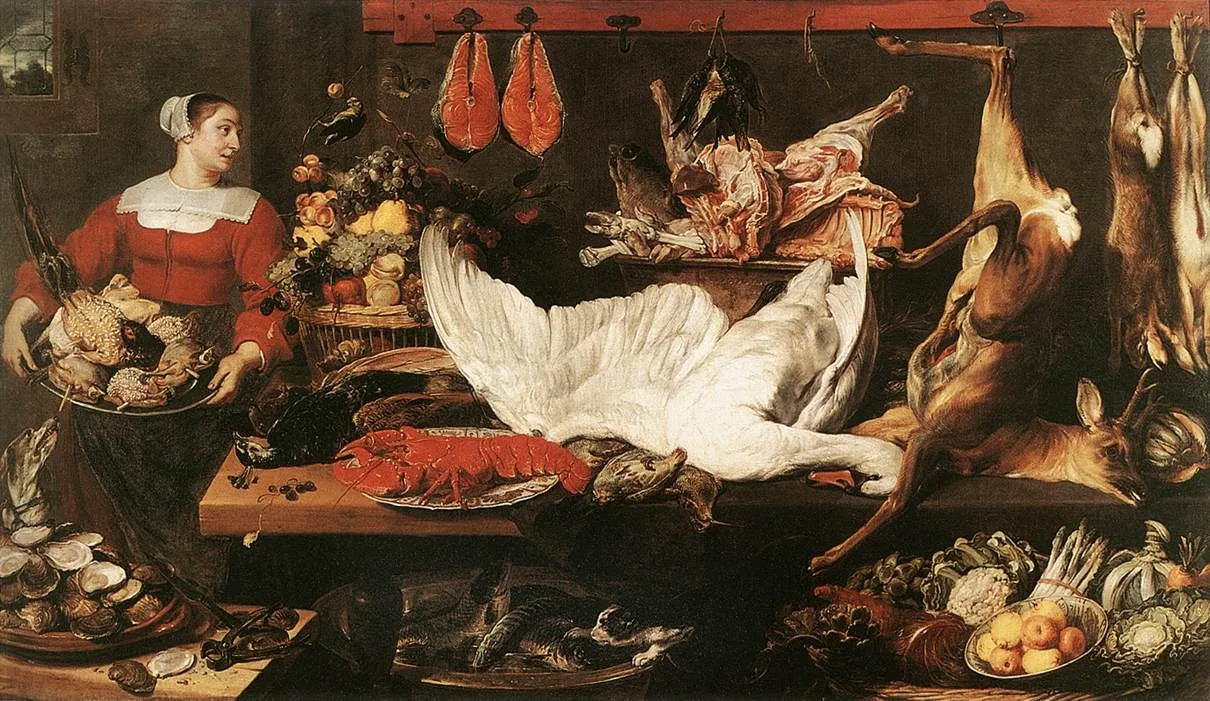
Game was one of the pillars of traditional East Prussian cuisine
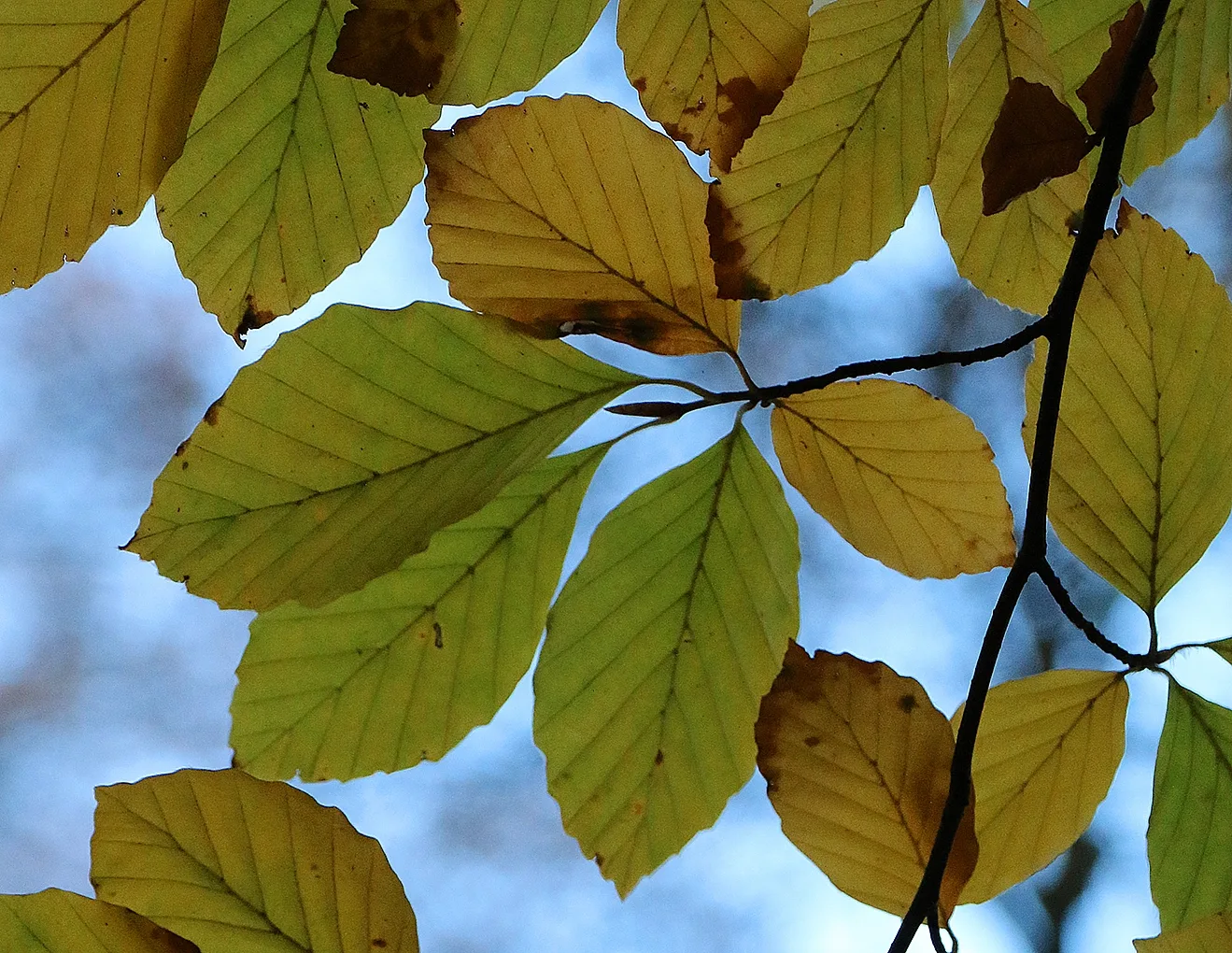
The mild climate creates favourable conditions for the diversity of the region's plant life
It was in creative circles that the images of the region took shape, images that later spread widely
A reporter from a Hamburg newspaper painted a pretty picture in which the Kaliningrad Region is a lovely little place
We have to admit it — Kaliningrad as a garden city is no more
Maxim Goryunov reflects on who lives well in Russia and where, and why the Kaliningrad Region is cool
The price the Baltic Fleet had to pay for victory at sea during the Second World War
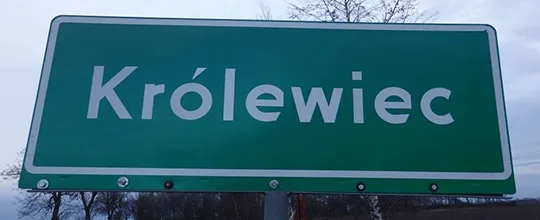
Many Polish diplomats call Kaliningrad Królewiec, avoiding any mention of M. I. Kalinin's name
How the potato won its place on Prussian tables, plus recipes
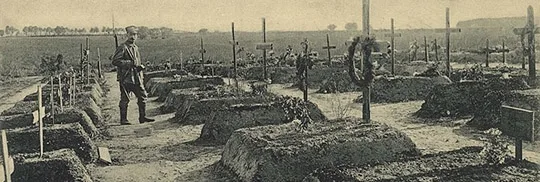
All First World War burials and memorials in East Prussia were in excellent condition
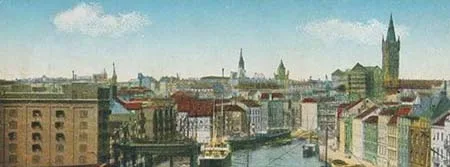
A project to restore the Royal Castle in Kaliningrad has won an online vote
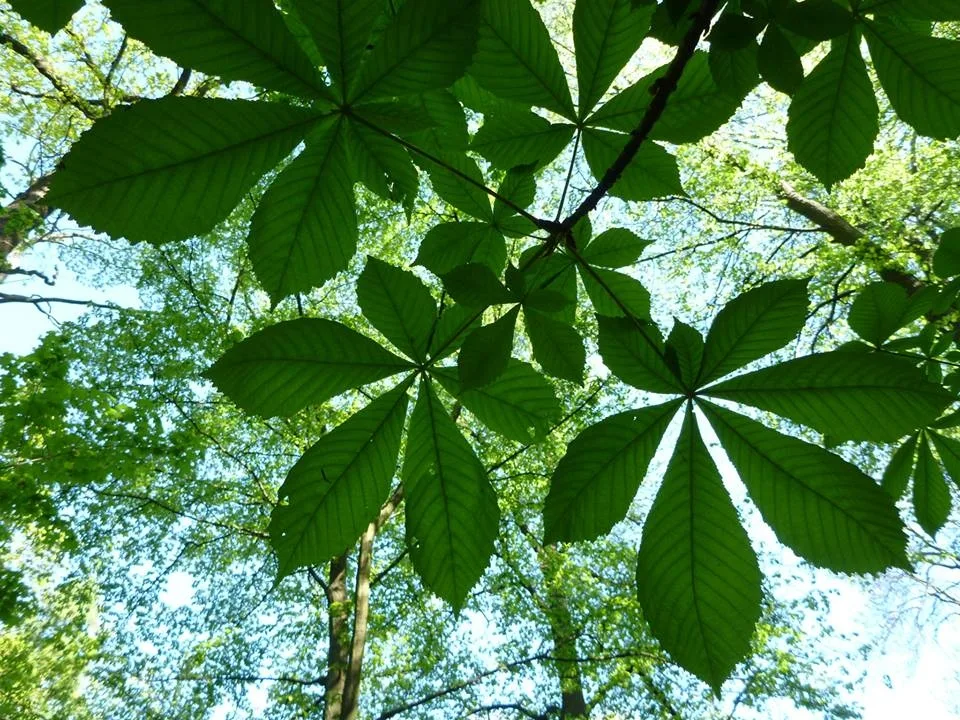
Saving the chestnut trees of Kaliningrad is an important cause conceived and carried out by caring local residents
A remarkable park in the centre of Yantarny was created by the industrialist Moritz Becker
How Russia saved France in the First World War on the eve of its own ruin. The Battle of Tannenberg
What did our predecessors see in the earthen “pyramids” left by the Prussians in shady forests?
An active presence of the Kaliningrad Region in Poland's information space is essential if our neighbours are to form a positive perception of our re…
A unique hydraulic structure in the Kaliningrad Region – the Masurian Canal
The mysterious Romowe — the main sanctuary of the Prussians — lies in what is now the Kaliningrad Region
An interview with Artyom Yurov. The Universe is infinite
A society, just like an individual, needs to reflect on its own way of life, on its meanings and goals
For the people of Kaliningrad she is interesting as someone who grew up in our city and absorbed its atmosphere
Stop for a moment, look at Kaliningrad through a stranger's eyes, and believe me, it will light up in bright new colours
But I have the sea every day, apples and pears straight from the tree, a warm winter and clean streets. It is very important to love the place you ha…
The Vistula Spit has become a very precise metaphor for Russia as a whole
The great astronomer's achievements include calculating the orbital elements of Halley's Comet, determining the masses of several planets and develop…
In a few years' time the Royal Hill in Kaliningrad may turn into another Victory Square
In memory of the Curonian Spit, Karl came up with an original recipe that later graced the traditional local cuisine
An interview with the director of the IKBFU Botanical Garden
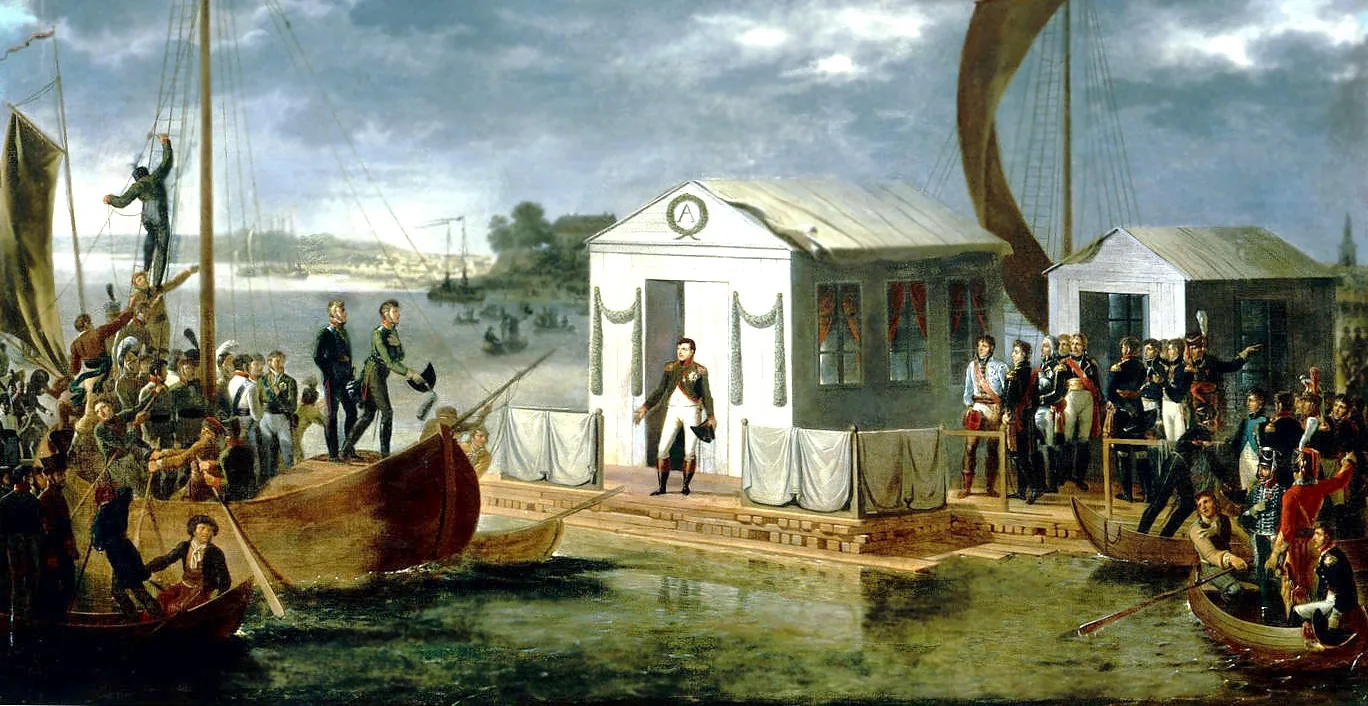
In the East Prussian campaign of 1806–1807, Russia fought Napoleon himself on equal terms
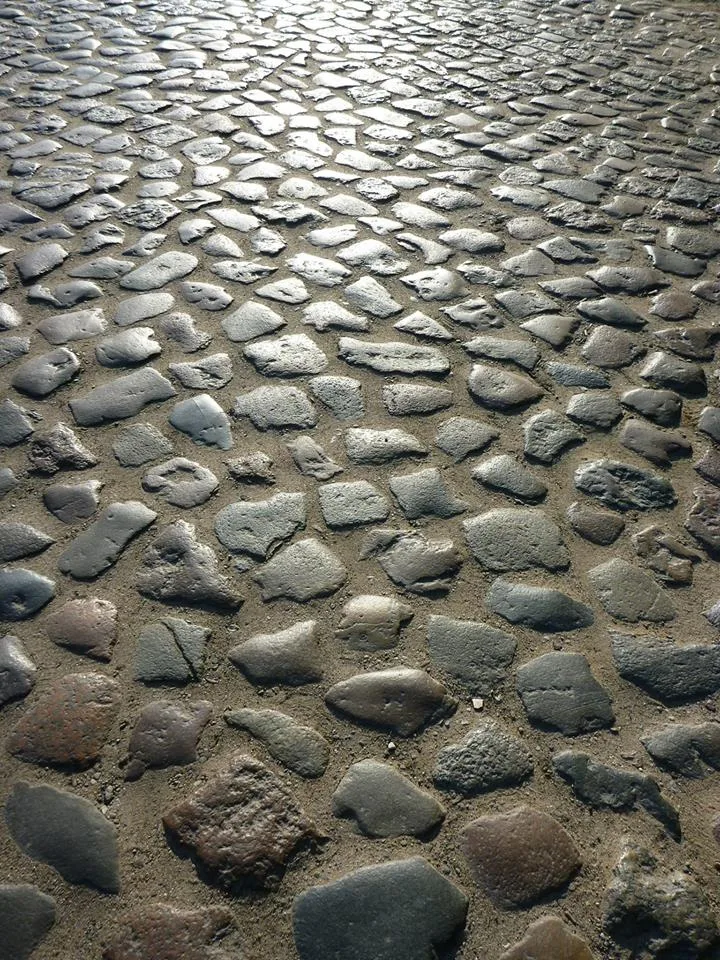
The recipe for preserving the cobblestones is ridiculously simple. If residents and the authorities care, they will stay; if they don't, they will di…
One can only marvel at its variety, even though everyday food was very simple
The calling card of the Kaliningrad Region
One of the most fascinating and beautiful places in the Kaliningrad Region
The history of the Seven Years' War in East Prussia
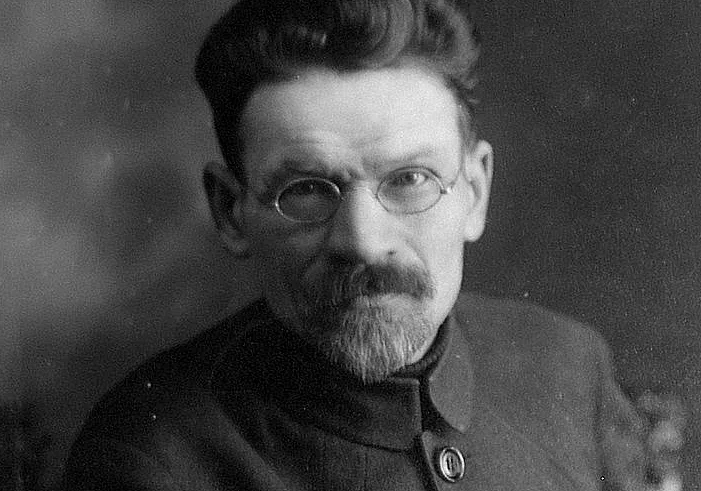
A peasant's son from the backwoods of Tver could hardly have imagined that Königsberg in Prussia would one day be renamed in his honour
Kaliningrad's dream of taking part in the foreign-policy "game" between Russia and the EU has not come true so far
This site stores your settings in your browser — interface language and font size — and keeps anonymised visit statistics (Yandex Metrica). No advertising.