
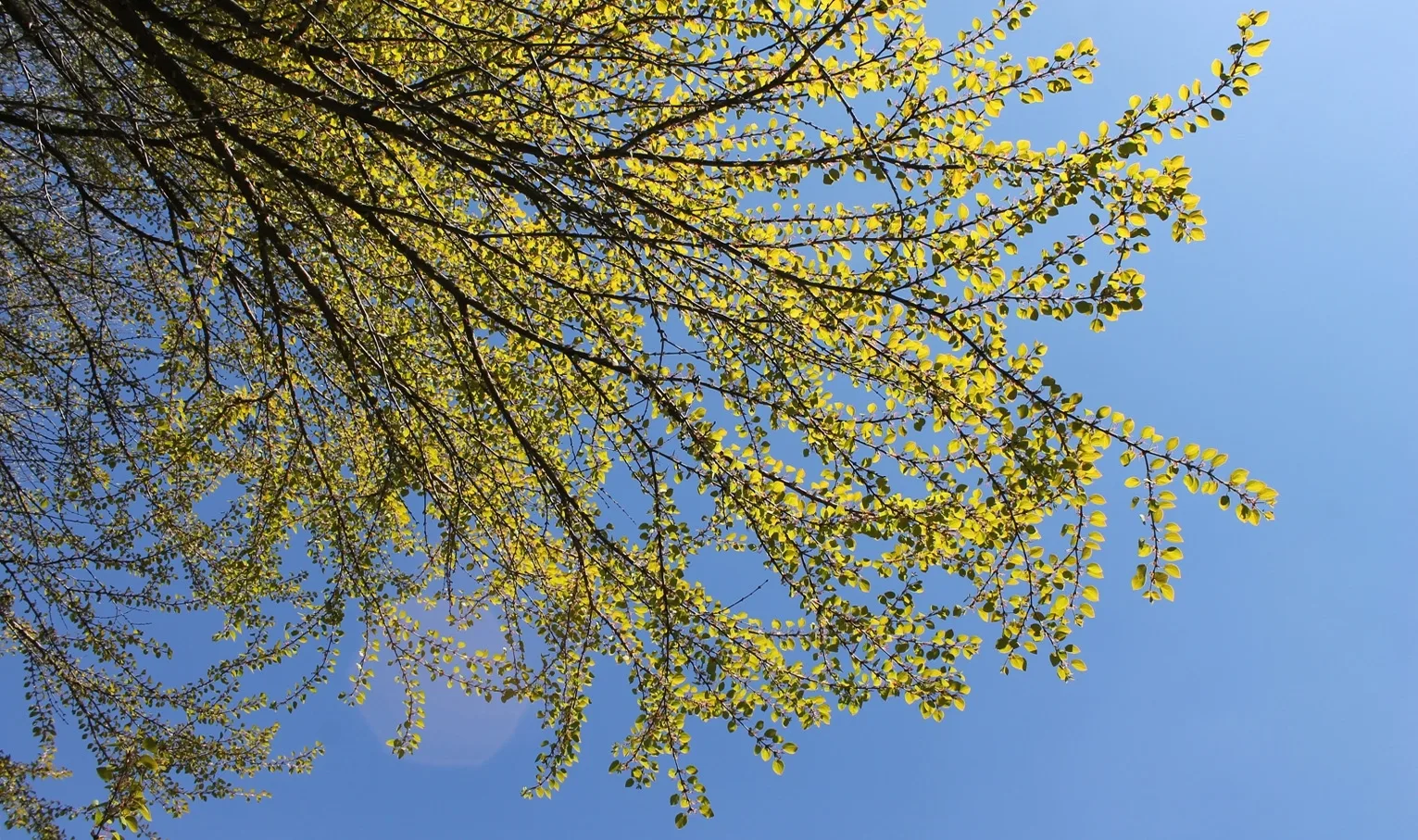
It turned out that before us was a white fir brought from North America. And from then on the names of trees and shrubs, methods of propagation, flowering times and interesting facts about plants flashed past as in a kaleidoscope. So before moving on to the interview with Tatyana Aleksandrovna proper, let me retell a touching story she recalled about the katsura tree, a dioecious deciduous tree so beloved by the people of the Land of the Rising Sun and celebrated by their finest poets.
Several fine specimens of katsura grow in the Botanical Garden not far from the memorial stone dedicated to its first director, Professor Paul Kaeber. The plant is ornamental in every season, but in autumn its fallen light-brown leaves take on an astonishing scent of caramel and vanilla. That is why the tree is also called the "candy" or "gingerbread" tree.
In the post-war years, when life was still hard and townspeople were once again able to visit the Botanical Garden, tours were organised for schoolchildren and kindergarten groups. When one group was led past the katsura, which in autumn spreads its "delicious" aroma for many metres around, the children began gathering the fallen leaves and stuffing them into their pockets, saying: "This is for Mum, this is for Dad, this is for my little sister." One little boy, having filled his pockets with katsura leaves, said: "When I get home I'll pour them into a little vase, put it on the table, and we'll drink tea and sniff them." That was how nature gave people back the joy of life.
– Tatyana Aleksandrovna, what, in your view, makes the Kaliningrad Botanical Garden unique?
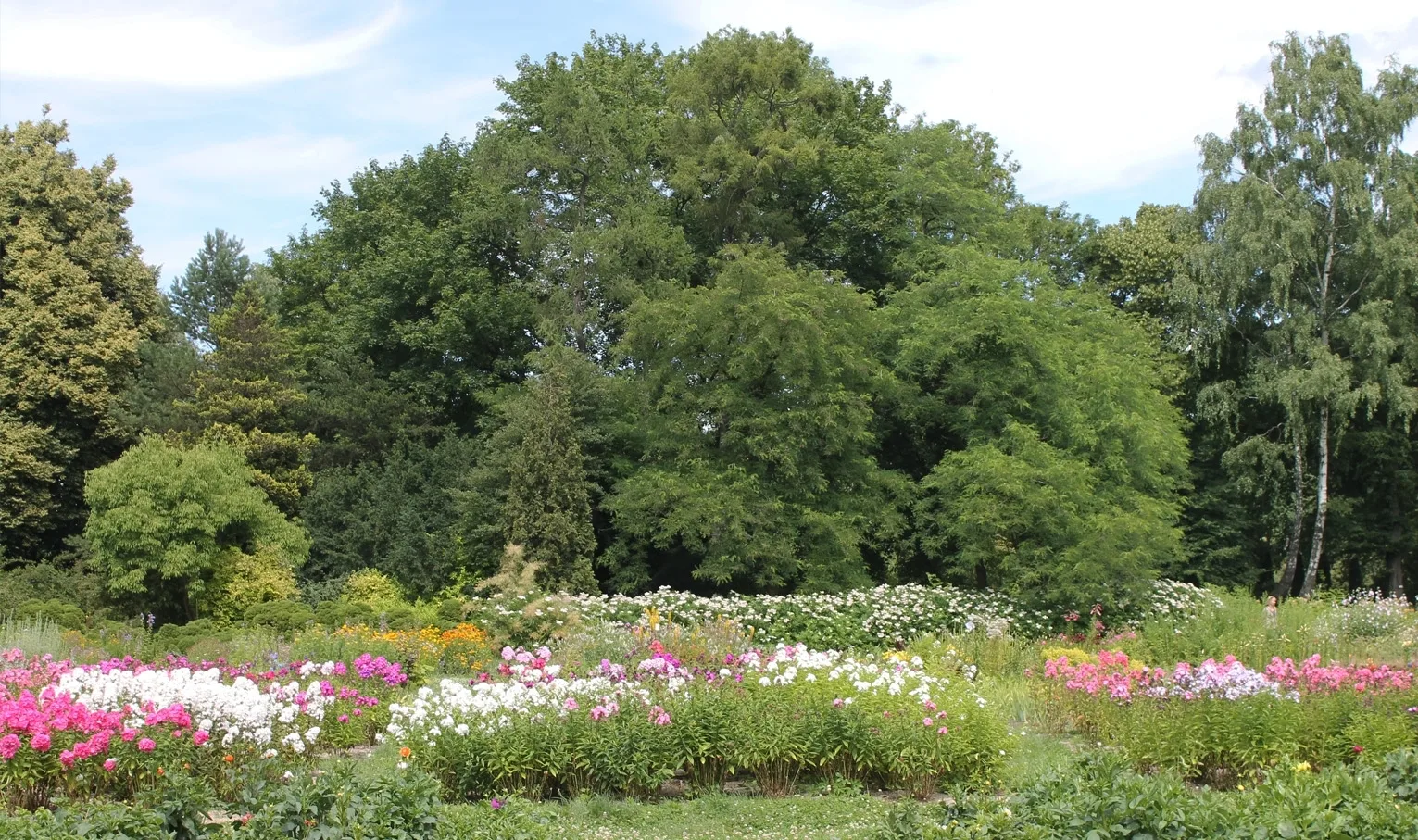
– Our garden is very small, only thirteen and a half hectares, on which more than three thousand plant taxa now grow. That number includes species, cultivars and hybrids of trees, shrubs, herbaceous and greenhouse plants. What makes it unique? Firstly, a great many of the woody plants have reached the age at which they begin to set seed. For example, last year the Nordmann fir produced seeds for the first time; it is fifty years old. For plants to start bearing fruit, especially trees, they need to be of a respectable age.
Every year every botanical garden in the world draws up a list of seeds that it offers free of charge in exchange to other botanical gardens. Well, we have more than a hundred items on ours — and they are precisely trees and shrubs.
Most other botanical gardens offer seeds of herbaceous plants, whereas our emphasis is on the arboretum. Secondly, in Königsberg, the capital of East Prussia, the first botanical garden was founded more than 250 years ago; it is today's children's ecological centre on Moskovsky Prospekt.
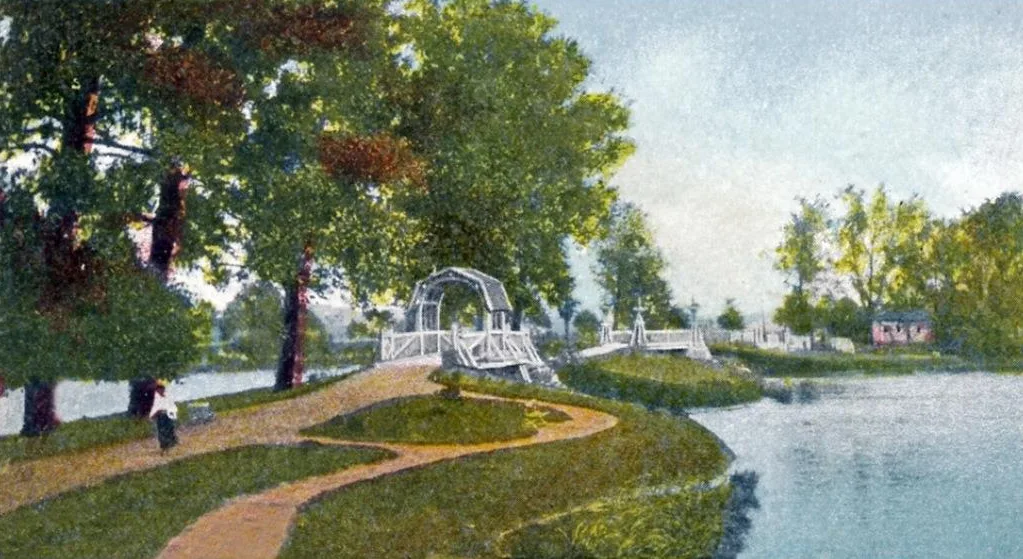
Our garden appeared at the beginning of the twentieth century, in 1904, as the German Municipal Horticultural Society, which was set up by decision of the city administration and financed from the city treasury. The garden was divided into 50 plots, and each plot had its own function. The guidebook put it exactly like this: "Every bit of the garden must be beautiful at any time of year." Of course, the material resources were different, and so was the experience. If we recall interesting facts from those years, the Germans had a vegetable garden on the site of today's nursery, where they grew vegetables. The German staff of the horticultural society tested them, that is, they assessed the varietal qualities of the crops. The German guidebook of 1938 says that vegetable crops were tested specifically so that settlers in East Prussia would know which varieties were best grown in this climate. That same 1938 guidebook also says that in the garden's greenhouses one could become acquainted with plants growing in the former German colonies, and although the Germans no longer owned those colonies (they had been lost as a result of the First World War), the time would come when we would be there again.
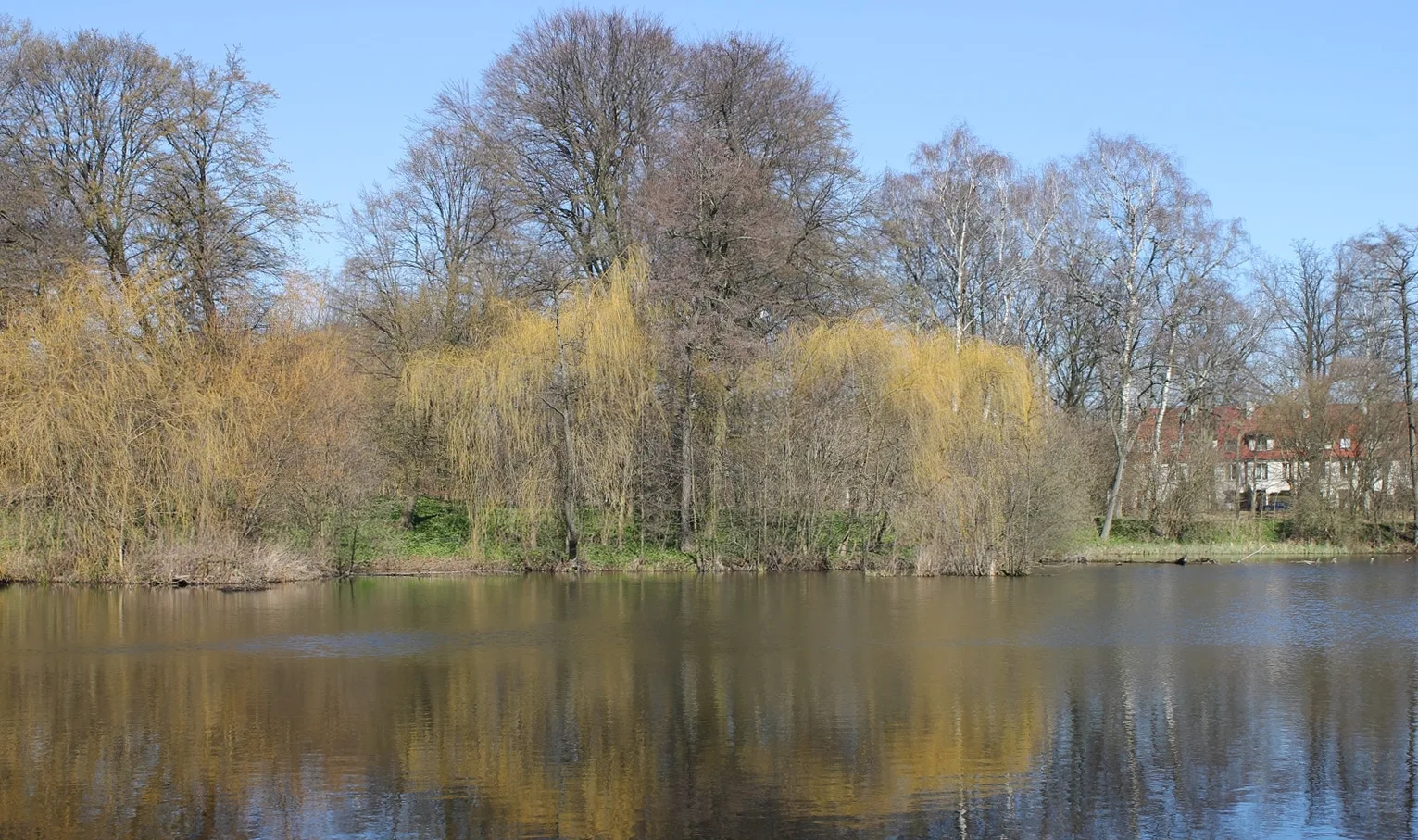
Under the Germans, the plants in the greenhouses were watered from a man-made pond by means of special pumps, but during the storming of Königsberg in April 1945 a great deal was destroyed: those pumps were put out of action too, and of the greenhouses themselves only the frames remained.
There was no other way to water them, and so almost all the greenhouse plants (and there had been about 4,000 taxa) died. And here is another interesting fact. When the region was opened to foreign tourists in the nineties, many former residents of Königsberg who came to the Kaliningrad Region also visited the botanical garden. One day the last secretary of the last German director of what is now the botanical garden came to see us. As we got talking, I asked her in all innocence: "I suppose prisoners of war worked for you?" She told me that prisoners of war had never worked here, but that on the vegetable plot where vegetables were grown for testing, the harvest was always gathered and shared equally among all the garden's staff. During the war this was a great help to the German employees of the Königsberg municipal horticultural service.
The garden resumed work in 1946, and from 1949 two production greenhouses were already yielding produce: cut flowers and seedlings. We were the only ones until the Kaliningrad Green Spaces Trust got up to full capacity. All that time the Kaliningrad Botanical Garden grew a great many plants for sale, especially in autumn and winter. Over time the situation changed; today we can no longer compete with the variety of garden plants brought in from abroad, so we have given up growing seedlings and flowers for sale and now only sell our surplus. Today the main tasks the Kaliningrad Botanical Garden sets itself are research and outreach, as well as environmental education for the public.
– What changes have taken place in the Botanical Garden in recent years? Are new infrastructure facilities appearing?
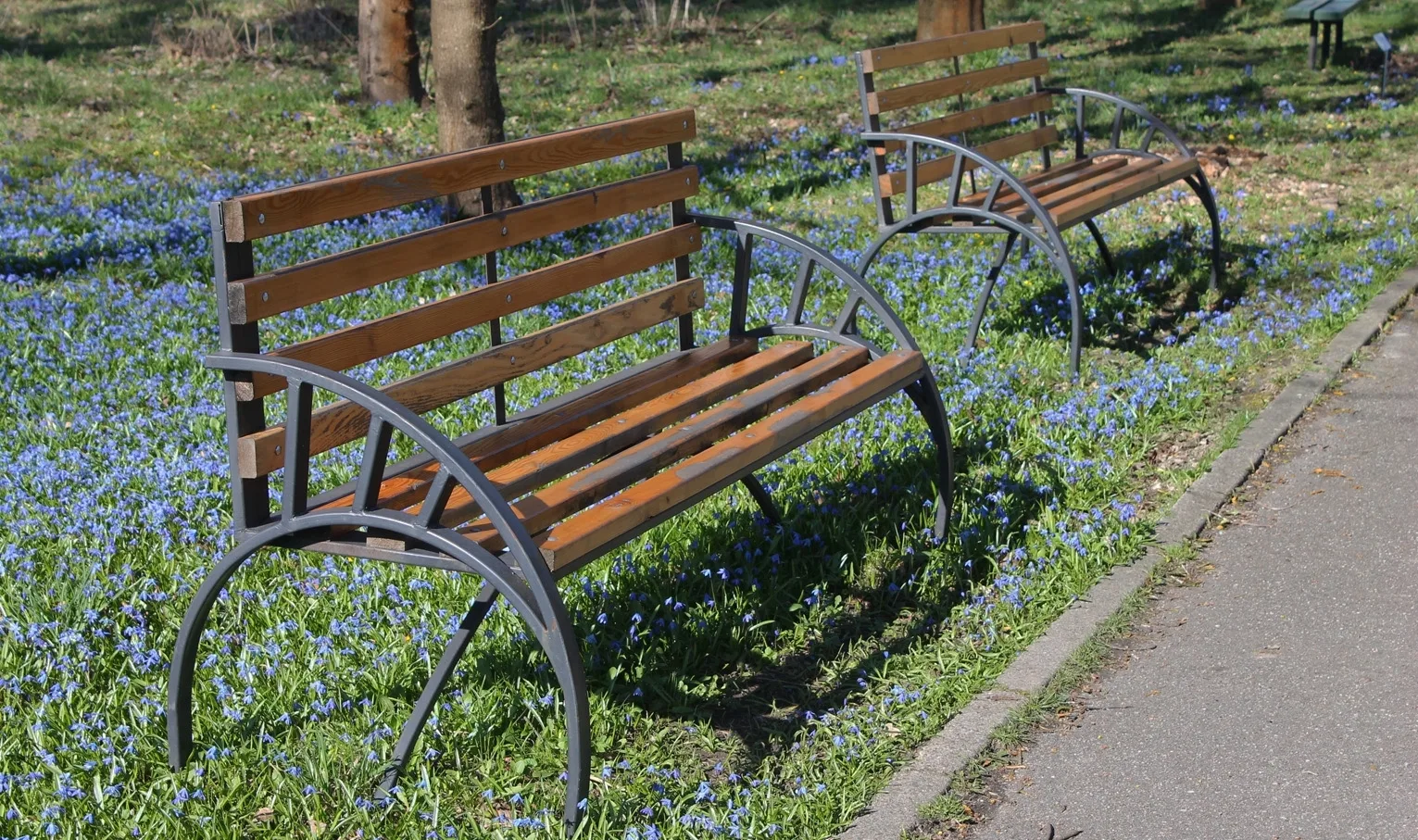
– The Botanical Garden is a division of the Immanuel Kant Baltic Federal University; we depend on university funding, so every year we do a little something, bit by bit. One year we built a gazebo, another we laid a stretch of paving. Last year we made an avenue of climbing plants; this year some of the paths; we are buying benches and have ordered new things for the children's playground, swings and so on. We wanted to build a large greenhouse, but unfortunately the situation changed and there is no longer money for such a greenhouse. But a decision has been taken to renovate the palm house next year.
– And how did you yourself feel about the original large-scale project to build a new greenhouse?
– That project is certainly very beautiful, but it triples the area of the greenhouse. If you look at the existing greenhouse now, you will ask yourself an obvious question: what will happen when it becomes three times larger, and with the construction work on top of that — what will become of everything that grows around it and in the greenhouse itself? It's a difficult question.
Our garden is small, and the greenhouse should not stand out from everything else; on the contrary, it should blend into the surrounding landscape. In my view, it is too bulky a project.
Still, it is hard to say what is right and what is not; I may be wrong. But it seems to me that people should live within their means: if something is already there, why a new project? Abroad nowadays they don't build new ones; they try to improve and automate the work inside greenhouses. They introduce automatic watering, automatic ventilation and so on. They cut down on human effort. If we do everything by hand, walking around with hoses and watering, how many people do we need to look after even a small area of the garden? This year the summer was very dry, and all our efforts went into watering; we watered from morning till night, starting at six in the morning. And yet automatic drip irrigation was invented long ago. That is why our labour productivity is low — we bring in too little machinery. In this respect, maintaining and improving the Kaliningrad Botanical Garden will always be costly.
– And on what principle is the botanical garden organised? Would it be possible to show, say, the flora of the Curonian Spit in a separate section?
– Our botanical garden is planted in systematic order, that is, by family: magnolias, willows, roses and so on. To show the flora of the Curonian Spit you need large plots free of plantings. What we can show are the protected plants of the Kaliningrad Region. Among them, the botanical garden has common yew, European beech and warty spindle. Herbaceous plants need a particular site on which the specific growing conditions of each species would be recreated. You would need a specialist who did nothing else.
– Then a more specific question. In the flower collection plot you can see stonecrops of various species and cultivars, and saxifrages. They get lost among taller plants. In my opinion, they could be arranged in a rock garden, for example. On one of my visits to the garden I came across alpine edelweiss in bloom, which I never saw again afterwards.
– Strange as it may seem, one explanation is that we don't want to draw unnecessary attention to plants. Every year we buy common houseleek, an attractive plant that vanishes every year. I won't say where to. Our stonecrops grow among peonies and daylilies: that lets us keep the plants.
Visitors and their level of ethical development are a huge problem for our botanical garden. At the beginning of the year we bought metal plant-name labels worth fifty thousand roubles, and most of them have already been broken.
And we are going back to paper ones, which we will hang on the trees. Not to mention that every spring the botanical garden is set on fire: hooligans burn the grass along the railway, and the fire spreads to the plants in our garden. And so it goes every spring, several times over, to the point that we call out the fire engines. Sad, too, is the fate of many of the wooden sculptures carved by the theatre artist A. M. Posokhov, which have become the hallmark of our garden. Some of them were damaged by visitors, so we have left only the largest ones on open display. These include, for example, the family of giraffes stationed at the entrance to the garden.
– Which, in your view, is the most unique plant in the Kaliningrad Botanical Garden? Which of the trees growing here are the oldest?
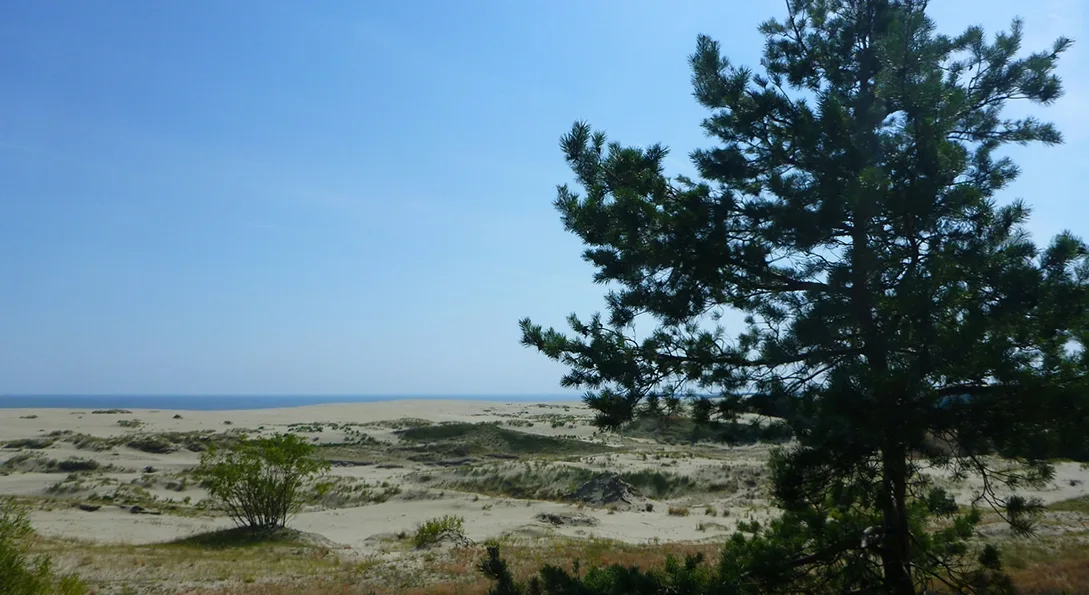
– When the country was closed, in the days of the Soviet Union, we could proudly declare that we had a pyramidal alder, the only one in the USSR — we inherited that alder from the Germans. Of course, we had something to be proud of. But now the whole world is open, there are so many new plants, so many cultivars: in private gardens you can find what used to grow only in botanical ones. We now have far more new and interesting plants than in Soviet times. As for unique plants, visitors should be sure to take a look at our "old-timers" — fine specimens of Crimean pine planted in 1909. A little later, in 1910, an Austrian pine was planted. The oldest plants in the botanical garden, though, are the English oaks and European beeches, about 150 years old. They were growing on this spot even before the Municipal Horticultural Society was founded.
– In 2014 the plant symbol of the Kaliningrad Region was chosen — the red oak. Which plant would you have chosen as the symbol of our region?
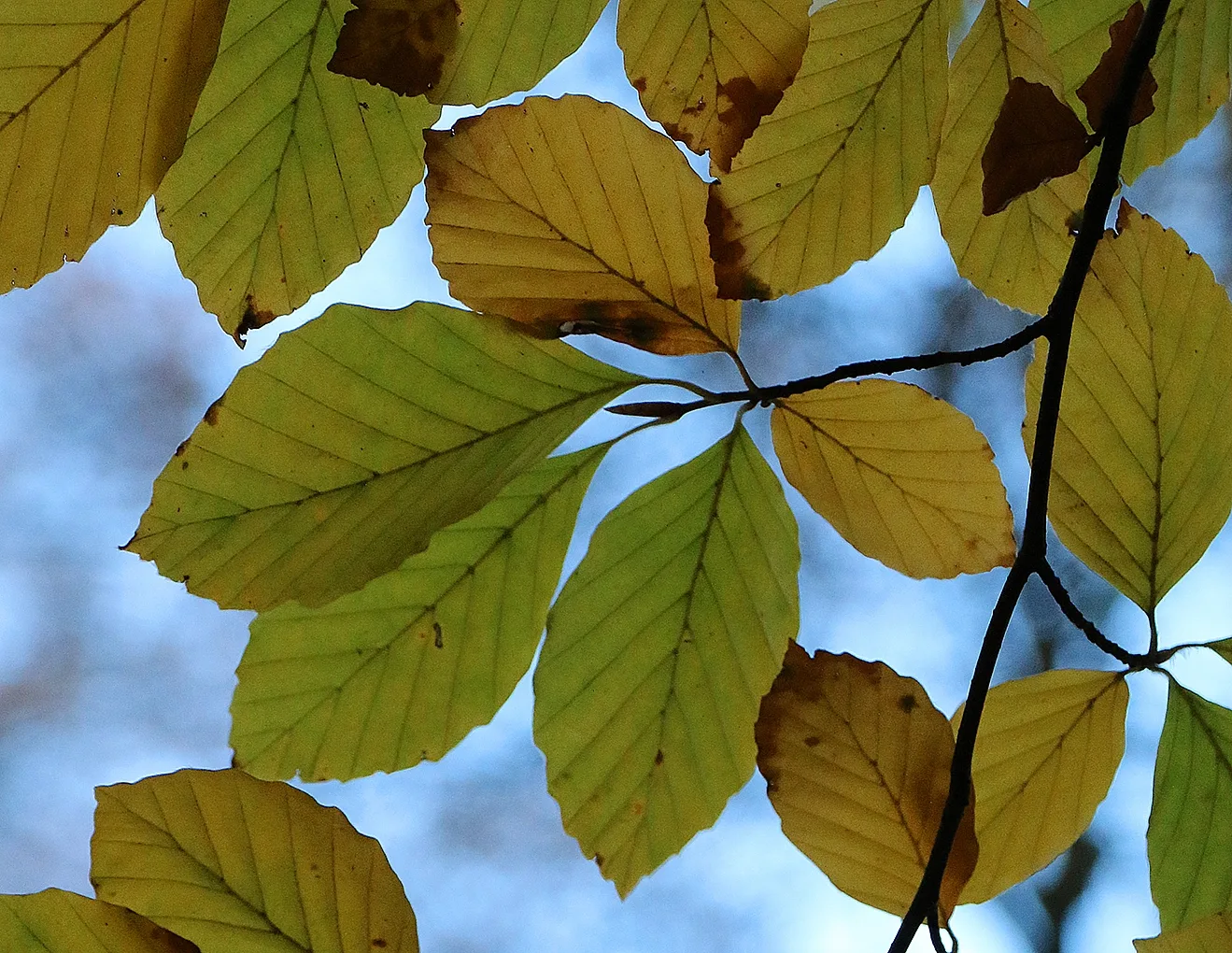
– The red oak is certainly a beautiful plant, but it is introduced. It was strange to propose a non-native species as the symbol plant. In my view, the European beech would have suited the role better — a splendid deciduous tree that is an important component of the forests of the Kaliningrad Region.
– Daily work in a botanical garden is painstaking. Can you recall a funny incident from the life of the Kaliningrad Botanical Garden?
– Well, something like this happened quite recently. One of my staff comes up to me: "Tatyana Aleksandrovna, let me tell you the latest joke. Some visitors come up to me, tourists from Russia, and the man asks:
- Excuse me, I just can't find a tree.
- Which one?
- The Last Soldier of the Wehrmacht."
The tourist walked all over the botanical garden looking and couldn't find a label like that anywhere.
Then again, only a resident of the Kaliningrad Region will get the point of this joke.