
Perhaps we have never had such freedom to choose what to remember and what to forget.
There are examples galore: before our very eyes the last Russian emperor turned from "the Bloody" into a Saint — and the shooting of the tsar's family has pushed Khodynka out of our memory.
Rebuilding memory always means a rupture that has to be filled with something; all these different, often even mutually exclusive stories have to be tied together into one coherent cultural text. And Kaliningrad is, by every measure, a special case.
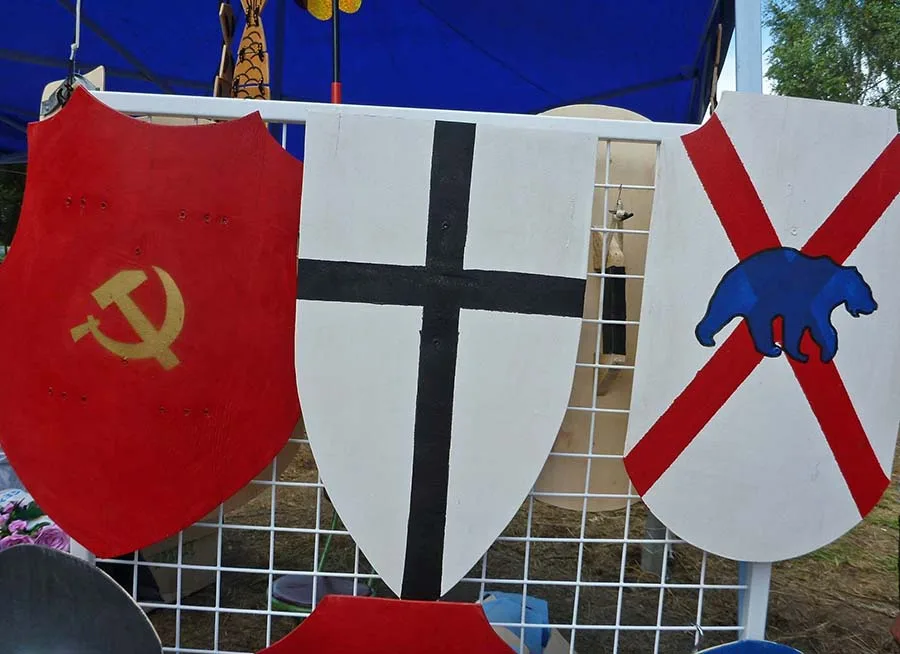
To begin with, here the very right to remember is a problem. In Moscow or St Petersburg, or even in Kalinin or Tver, the idea that the historic urban fabric must be protected will almost always make you a patriot and a man of the soil, but in Kaliningrad that is impossible for a number of historical reasons — here we cannot quietly cling to our roots, because the roots are somehow the wrong ones. Universal human ones at best, and if someone doesn't like something, a love of cobblestones can even get you counted among the Teutons. Unpleasant. But that is not all.
Kaliningrad falls apart into three worlds which, though they exist in one space, have never grown together into a single whole.
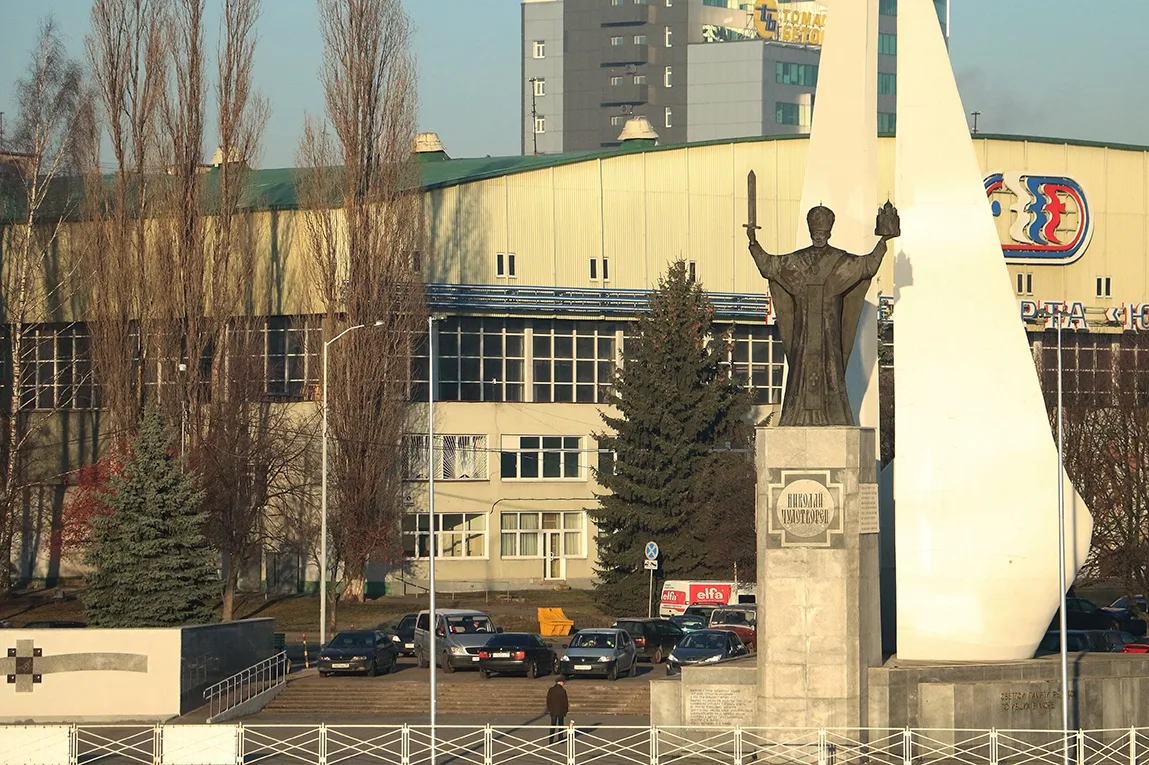
A German background, worn down by war, "supplemented" by Soviet construction zeal and being finished off today by the carpet bombing of infill development — that is what Kaliningrad is today. How can one unite in a single story Kant, Malchish-Kibalchish and the Chief Burzhuin, who in the wild nineties grabbed everything that Kibalchish had built?
If you look at Kaliningrad from the top of any of the "architectural masterpieces" built recently, you will hardly see those famous tiled roofs that people talk about so much. The picture will be different — or rather, there will be no picture: no single picture, no whole, just a sketch in the spirit of a war of all against all. As if we had just lived through the confusion of tongues, where no one understands anyone, no one wants to talk to anyone, and whoever has more rights is right — the Burzhuin wins.
The word eclecticism fits this whole rock garden best — and if we want to see our city as it is, we will have to open our eyes. We live in a city where rails, surfacing from the subconscious, often lead nowhere, where manhole covers bearing the name of the vanished city have been photographed over and over again by lovers of the old days and by tourists looking for what has long since gone. And, not finding it, they start building what cannot be.
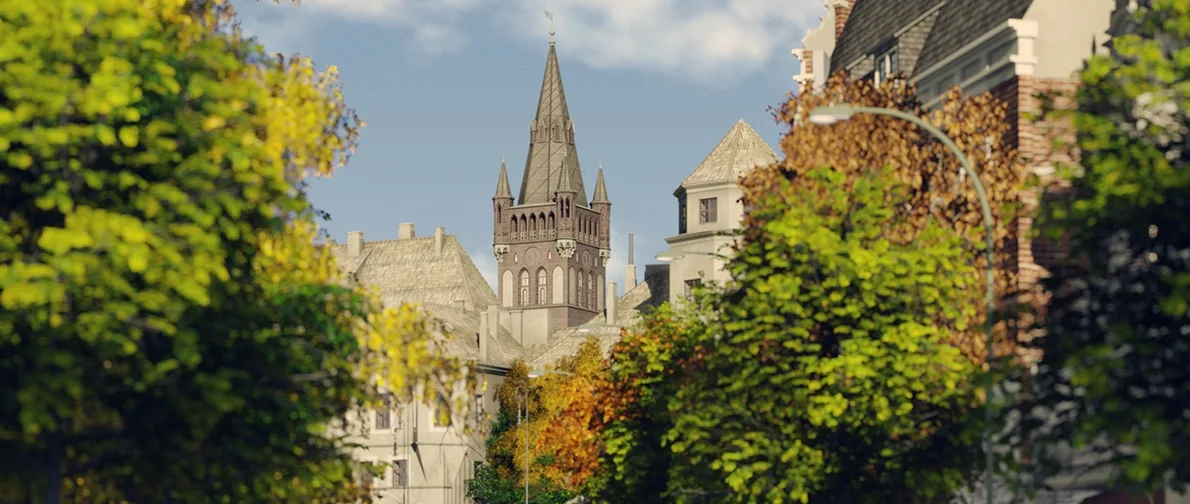
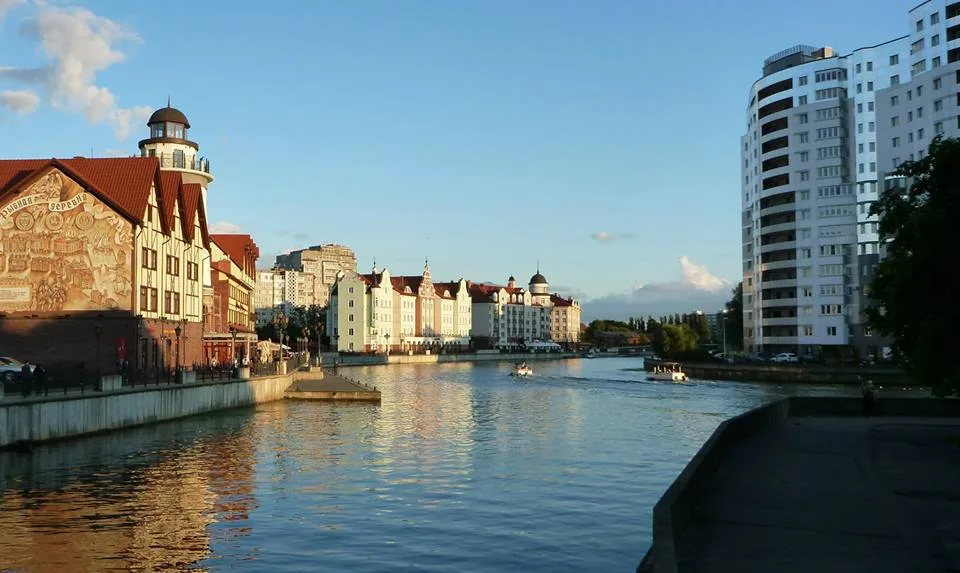
There is probably a perfectly good economic explanation for why no one wants to restore what is left of Königsberg and what can still be saved — after all, it is much more pleasant, without burdening yourself with obligations to preserve monuments (there you can neither add storeys nor set up a shopping centre), to build something in some vague pseudo-European style, with turrets, blackjack and everything that goes with it.
But it seems to me that the very wish to build precisely this tells us far more about ourselves than it seems.
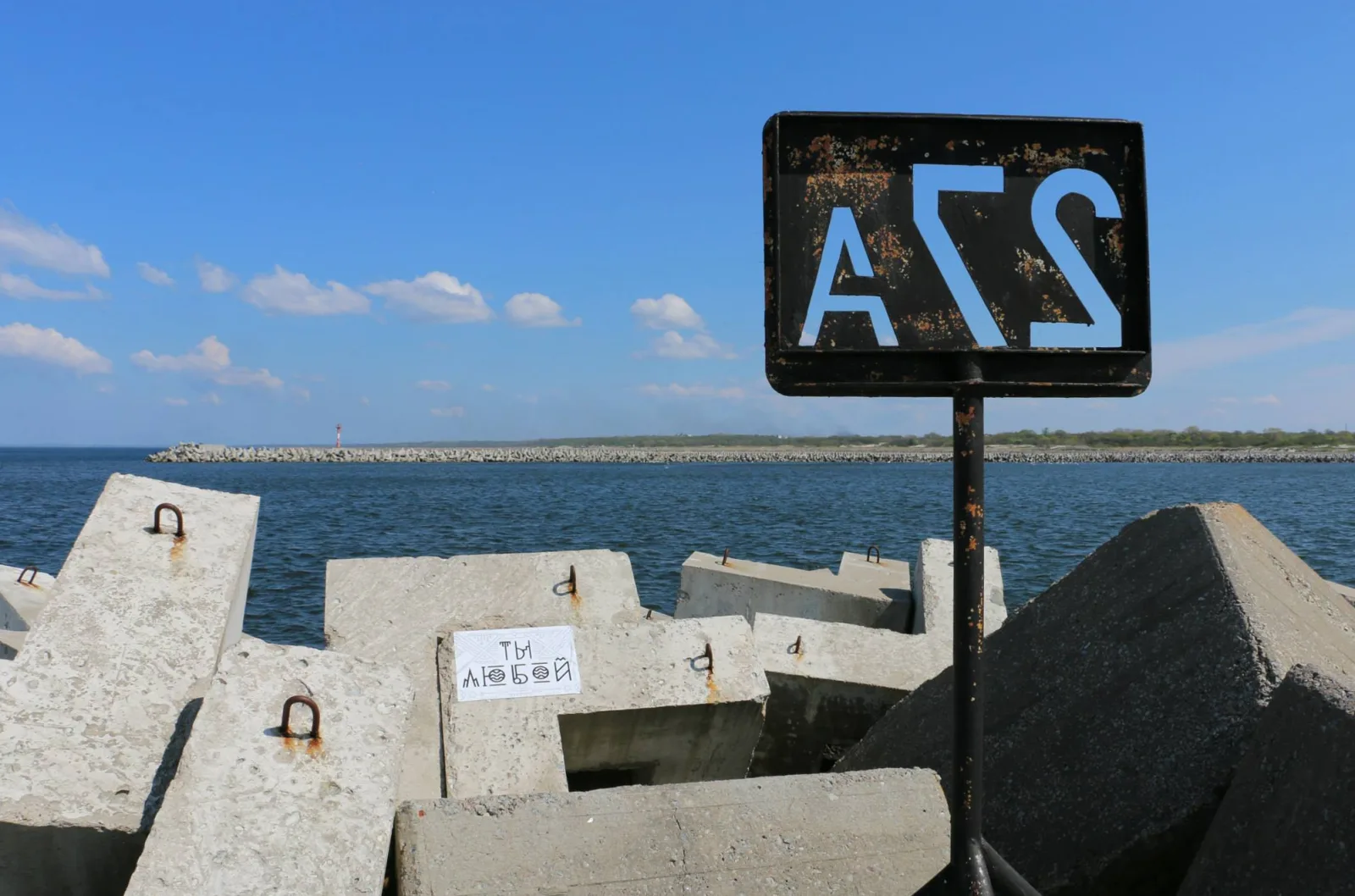
We are being taught to accept fakes, our life is filling up with signs that mean nothing — lighthouses that never shone for anyone, in a village where no one ever caught fish.
Fake everywhere. For what is being built is not even a reconstruction, not a restoration or re-creation of something once destroyed, as was done in Warsaw, for example. With us everything is much more interesting: we — people who never lived in Königsberg — are building a city that does not exist, the way we imagine it, relying partly on documents, partly on vague feelings and partly on the stories we entertained ourselves with at night in the Pioneer camps of our bright Soviet childhood — somewhere between tales of the black hand and a secret outing to the cemetery next door. We are turning a chimera into reality without fully understanding what the sleep of our reason gives birth to.
Funnily enough, it suddenly turned out that our city had no heart. And now we are being offered an artificial implant, made on the motifs of the heart that once was, but taking into account the realities of today's import substitution. And if we do not stop, there will be nothing. Neither millions of tourists nor a unique city unlike any other. We will build a stage set of cafés, restaurants and shops, an old town of foam concrete and a heart that never beat.
Perhaps it would be better to leave the long-vanished Königsberg in peace, to preserve the historic sites that bear witness that this city had a past, and to build a bold, modern, convenient, beautiful city — to build what Kaliningrad is truly capable of becoming?
Photo by Mikhail Ogorodnikov.