Castles of the Teutonic Order in Prussia
Built in stone no later than the mid-14th century. Burned down twice, rose again only once
The Order's bridgehead on the shore of the Frisches Haff lagoon, from which the conquest of Prussia began
Named in honour of Otto III, Margrave of Brandenburg, who saved the Order in 1266
A witness to and participant in the turbulent history of Samland in the days of the Order, which more than once saved the local bishop
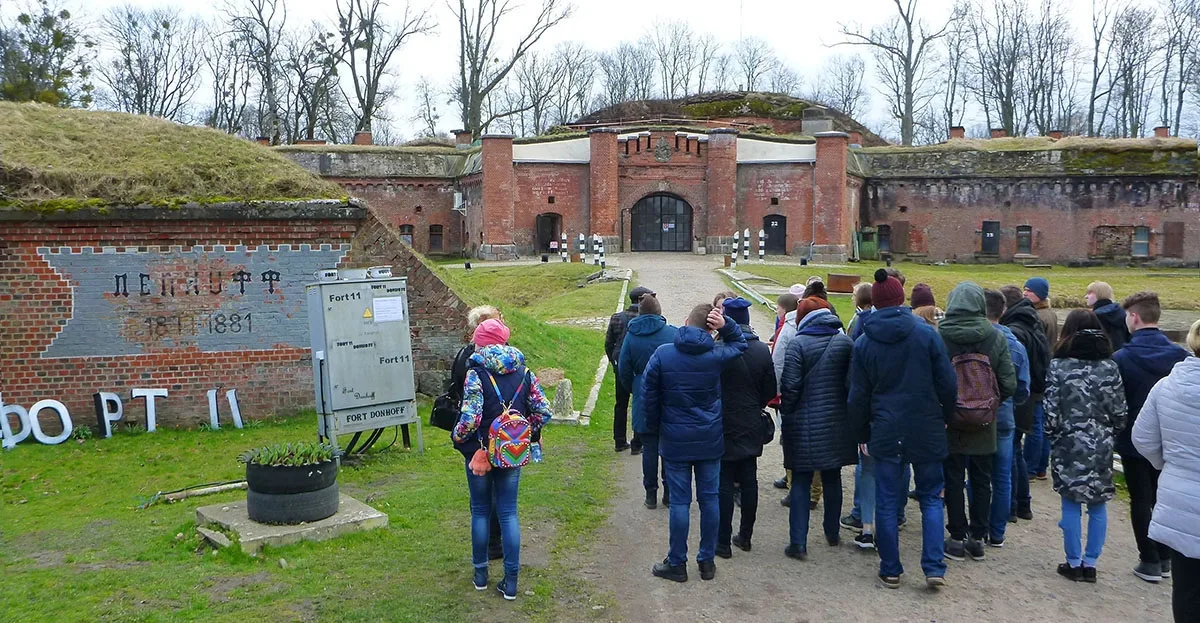
Well-preserved, grandiose fortifications sunk deep into the ground
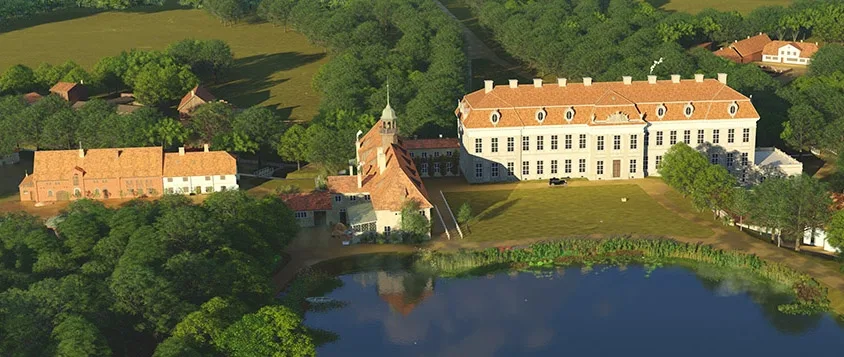
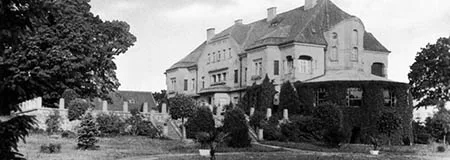
The ancestral seat of the Dönhoff family
Insterburg's twin, a bishop's castle with a large outer bailey, was built in stone at the end of the 14th century
Prussia had many Order castles like this one, but only this one was visited repeatedly by Immanuel Kant
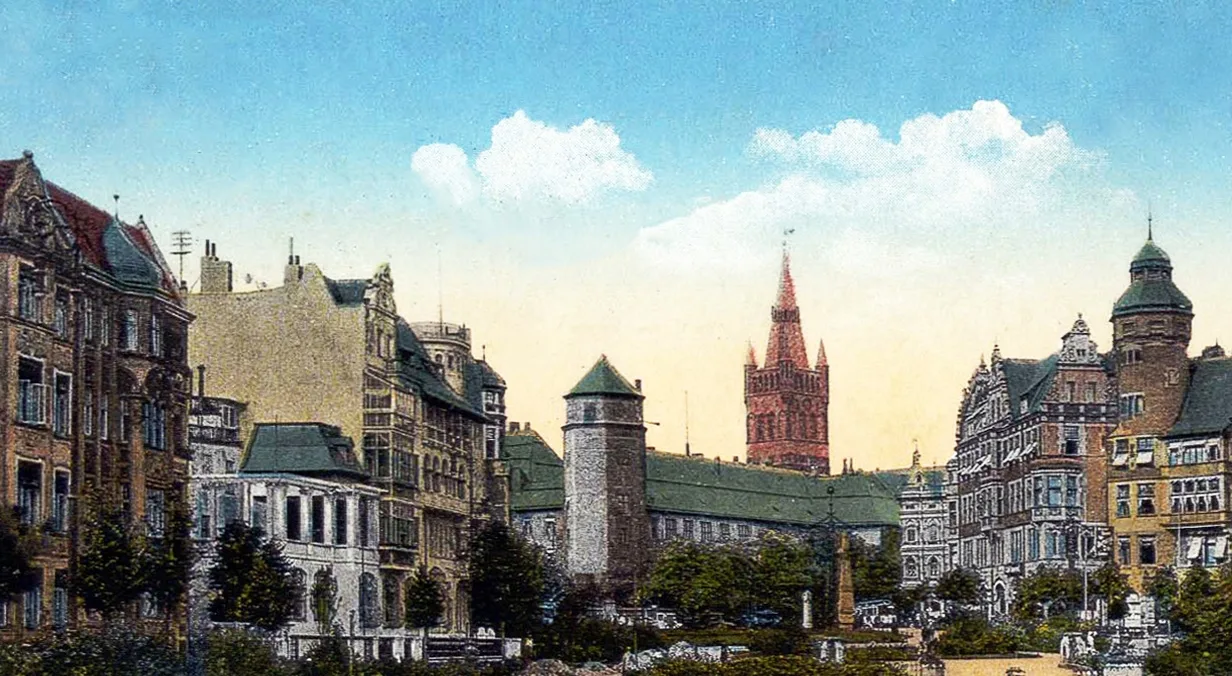
The legend-shrouded cradle and citadel of the Prussian kingdom. A symbol of the city and of all East Prussia
For a long time it served as a staging post for the Order's troops on their way to Lithuania
It was here, on 21 January 1758, that the capitulation of East Prussia was signed and Königsberg was surrendered to the Russians
The history of East Prussia’s foremost castle from the Middle Ages to the present day
A vivid illustration of the fact that no merits can save you from oblivion
A medieval fortress that later served as an administrative center in a strategically important area
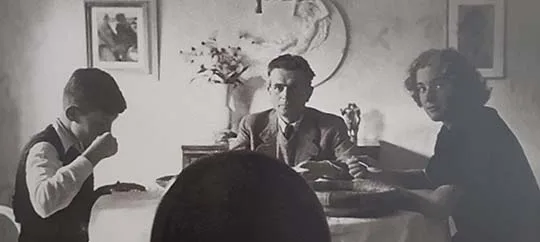
The castle's last owner was an anti-fascist who was thrown into prison and found hanged there
Its name and location suggest that there was once a strait through the spit at this spot
Until the mid-15th century it was the centre of the capital of the Order's state. The largest brick castle in the world
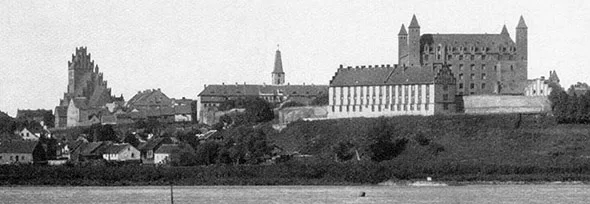
A magnificent building with the only surviving danzker in northern Poland
The link between the Prussian possessions of the Teutonic Order and the Baltic lands of the Livonian Order
At the height of the Order's power, Mewe was its most important stronghold in the west
The von Lehndorff family's Samland estate lay near Wargen
An intermediate stronghold between Kreuzburg and Bartenstein, built of stone and brick from the very beginning
An outpost of the Teutonic Order and a mustering point for knightly forces on campaigns into Lithuania
A dubious mix of the Middle Ages and 19th-century Gothic Revival, with a modern commercial "outer bailey"
An outpost on the route from Nadruvia to Königsberg that controlled the Pregel and the Deime
The most astonishing thing is that in the 21st century a castle from the days of the Teutonic Order serves as a home for ordinary mortals
The first castle of the Teutonic Order in Prussia, next to which a settlement grew up almost at once
It protected Königsberg from Lithuanian raids, serving as the first staging post on the eastern route
A fighting fortress that served the Teutonic Order faithfully in the 13th and 14th centuries
Twelve years of Nazism and five and a half years of war are a drop in the ocean compared with the path this city travelled, turning from a wretched l…
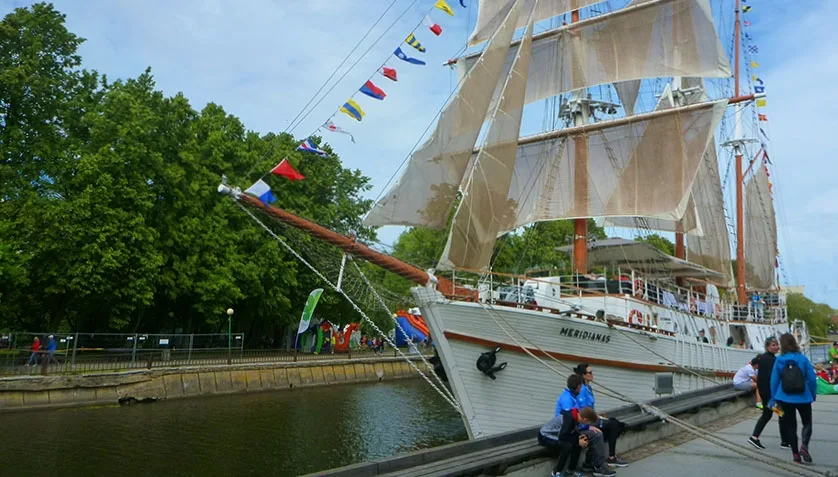
How Memel became Klaipėda and what legacy it left behind
A town on the Mayskaya River (Pasmar). Founded in the 14th century as a castle of the Teutonic Order
On September 10, 1510, a powerful storm breached the spit, creating a new strait — and thus began the history of Pillau
A city that emerged at the confluence of the Instruch and Angrappa rivers
A woodcutters' village that received town rights in 1725
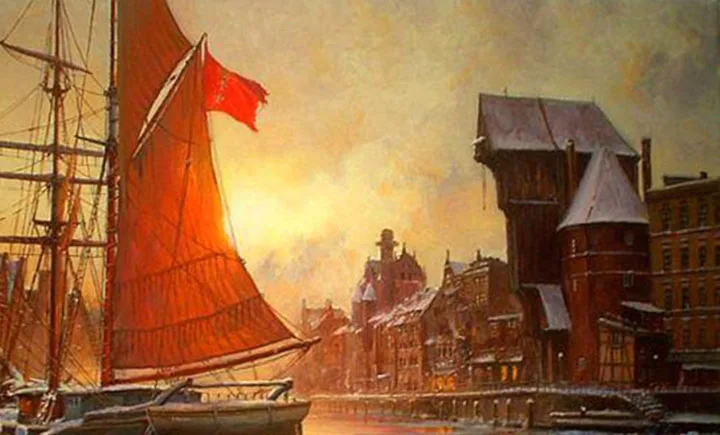
The history of Poland's maritime capital, from the Ice Age to the present day
The little town has had a controversial reputation since the time of the first Hohenzollerns. Especially its castle
King Frederick William I of Prussia granted Gumbinnen town status on 6 April 1721
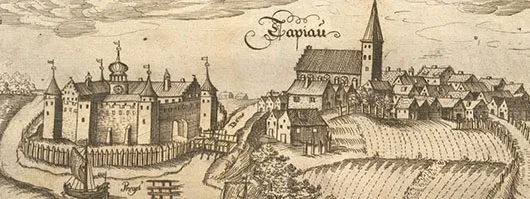
Tapiau received town rights in 1722 from King Friedrich Wilhelm I
The town's founding date is considered to be 1290, but little of it has survived
Soviet historiography regards 1734 as the official founding year of Krasnoznamensk
A town on the Sheshupe that did not survive the Second World War
Founded in 1314. In 1946 it was renamed in honour of Ivan Ladushkin, who was killed in the fighting for the town
A town in Bagrationovsk District on the Vitushka and Mamonovka rivers
Ragnit was granted town rights in 1722 by Frederick William I, who went down in history as the Soldier King
In 1818 Stallupönen became the centre of the Kreis of the same name
This small town on the Angrapa once gave shelter to Swiss Protestants, who turned it into a real "gem"
The fishing village that stood on the site of Neukuhren is first mentioned in 1254 – it is older than Königsberg
The settlement by Labiau Castle received town rights on 28 July 1642
The town is unique in that it did not grow up around a castle of the Order or of a bishop
One of the smallest towns in the Russian Federation
Capital of the polder lands of the Elchniederung, aka the Elk Valley
The town was founded in 1241 as a castle of the Teutonic Order
A city of regional significance where the Tylzha River flows into the Neman
A climatic and balneological resort of federal importance
A town on the banks of the Kaliningrad Sea Canal
The place became known in the 19th century, when the amber miners Stantien & Becker moved here from the Curonian Spit
A popular seaside resort at the base of the Curonian Spit, a.k.a. the "City of Cats", the leader in urban improvement in the Kaliningrad Region
The settlement by Gerdauen Castle was granted town rights on 21 September 1398
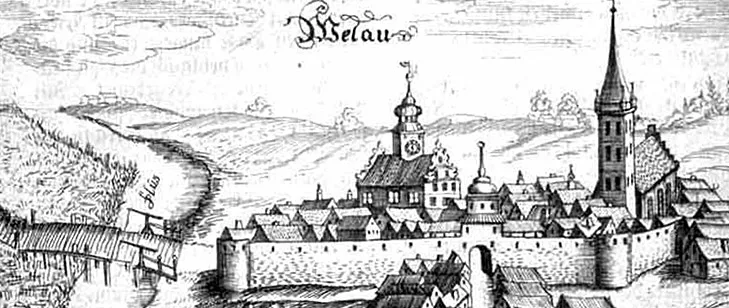
In 1339 Wehlau received Kulm town rights from Grand Master Dietrich von Altenburg
The surroundings of the famous castle of the same name
A place of remembrance of Saint Adalbert
A charming settlement on the Kaliningrad (Königsberg) – Sovetsk (Tilsit) road
One of the key points on the map of the Elk Valley
A settlement in the Bagrationovsk Urban District on the Prokhladnaya (Frisching) River
Eydtkuhnen is first mentioned in 1557 as the settlement of Eittkau
A settlement in the Nesterov Urban District on the Russkaya River. Founded in 1589
The first settlement on the site of present-day Domnovo is mentioned in 1249
An urban-type settlement in the Svetlogorsk Urban District on the Baltic Sea coast, with the most beautiful beach
Founded in 1272 as a castle of the Teutonic Order on the site of a Prussian fortress
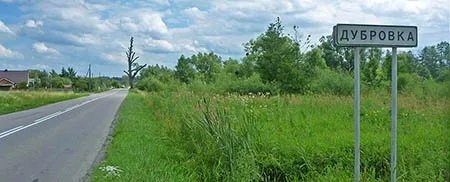
In 1947 Görken, Klaussen and Pilzen were merged and renamed Dubrovka
A settlement in the most deserted part of the Sambian Peninsula
Where there is a Gross Kuhren, there is a Klein one too
In the heart of Samland
A village west of Kaukehmen (Yasnoye) that became famous thanks to a fairy tale about the local water spirit Schlompetters
A settlement in the Bagrationovsk Urban District on the Rezvaya River, linked by family ties to Martin Luther
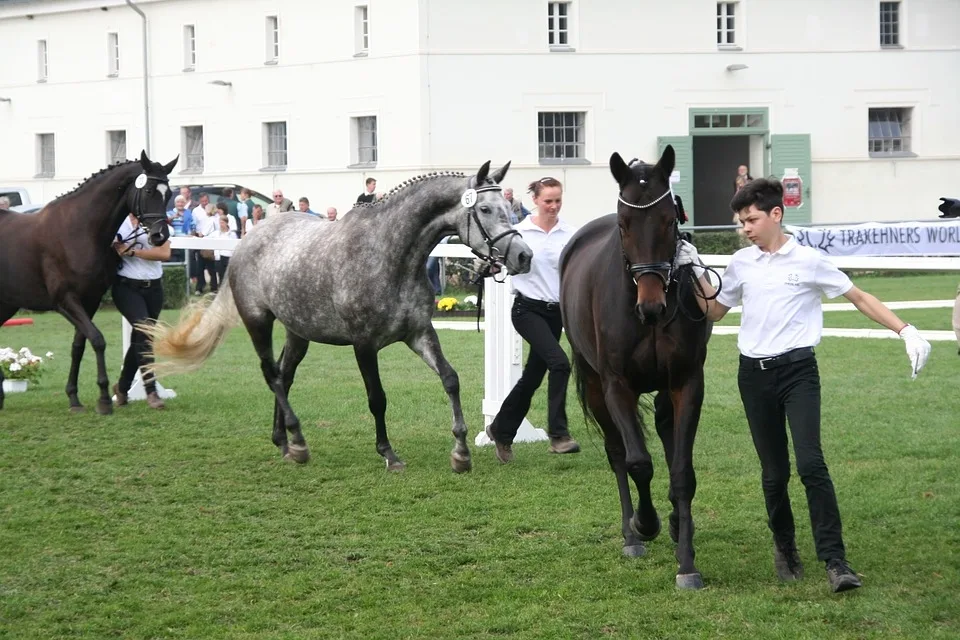
The centuries-old history of the Trakehner horse breed
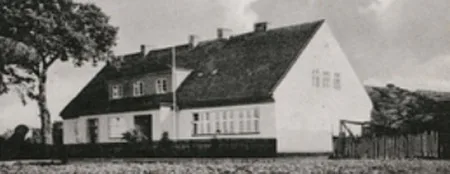
A quiet corner of the Polessk District that became famous thanks to the Old German School Waldwinkel museum
At the fork to Svetly and Baltiysk
Founded in December 1352 as a bishop's castle on the site of the Prussian fortress of Wostopolo
A settlement in the Zelenogradsk Urban District with a beautiful but neglected park
A settlement in Zelenogradsk Urban District, west of Grachevka
The heart of Königsberg's waterworks
A field of artesian wells of Kaliningrad's water supply system
A settlement in the Zelenogradsk Urban District on the Zelenogradsk – Romanovo road
A village in Nesterov District, the “capital” of the Rominten Heath
According to legend, the first cross in Samland was erected here
The settlement by the ruined castle of Nordenburg received Kulm town rights on 24 July 1407
A village in the Zelenogradsk District. Railway station on the Zelenogradsk – Pionersky line
A settlement in the Zelenogradsk Urban District on the Pereslavskoye – Primorsk highway
The first settlement on the Russian side of the Curonian Spit, reached by a perfect cycle path
One of the iconic places of Sambia, which gave its name to the large forest in the north-west of the peninsula
A Prussian settlement existed on the site of Medenau as early as the 11th century BC
A settlement on the Sambian Peninsula west of Kaliningrad
A quintessential local fishing village at the mouth of the Gilge River, now renamed the Matrosovka
A settlement in the Zelenogradsk District on the Zelenogradka and Slavnaya rivers
A settlement in the Chernyakhovsk urban district where the Golubaya River flows into the Pregolya
Founded in 1283 as Neustadt Castle. Today the cosiest settlement on the Russian half of the Curonian Spit
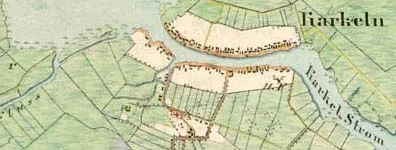
A settlement in the Slavsk Urban District at the mouth of the Razliv River (Karkelstrom)
A settlement in the Krasnoznamensk Urban District on the Neman River
On the road from Kaliningrad to Bagrationovsk
A settlement in the Guryevsk Urban District on the Guryevka River, known for its hotel and restaurant
A cosy, picturesque settlement on the way out of Yantarny towards Primorsk
The western part of Svetlogorsk, where the famous Königsberg sculptor Hermann Brachert lived in the 1930s. Today there is a museum here
This site stores your settings in your browser — interface language and font size — and keeps anonymised visit statistics (Yandex Metrica). No advertising.